




Lucknow
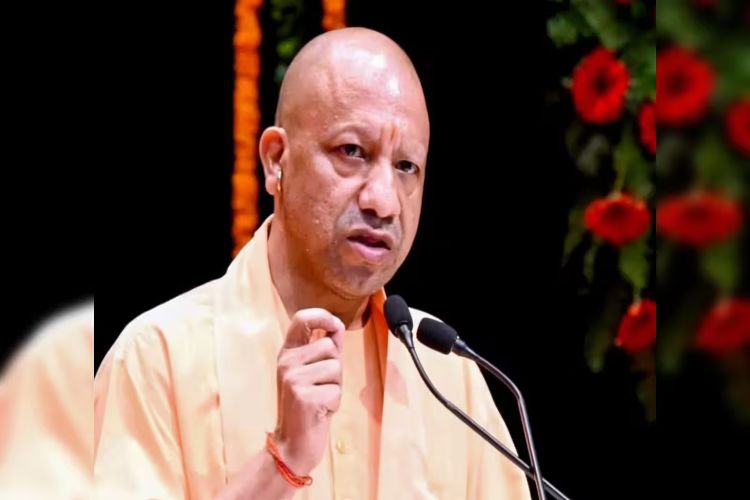
Uttar Pradesh Chief Minister Yogi Adityanath on Saturday said "yathasthiti vaadi", or people with a status quo mindset who are unwilling to listen to any argument or evidence, are the real opponents of the 'Viksit Bharat@2047' vision.
Addressing young law graduates at the 5th convocation of Dr Ram Manohar Lohia National Law University in Lucknow, Adityanath said if a case is filed in 2047 related to Viksit Bharat, and the petitioners are the 140 crore citizens of India, the respondents would be people who have a status quo mindset.
"Assume that the case number is 2047, the subject is Viksit Bharat, and the petitioners are the 140 crore citizens of India. If you were to act as the counsel for these petitioners and advance this argument, what would it be like?" the chief minister asked.
He added, "Who is the respondent in this case? It is not any specific individual or political party, but rather those people who are 'yathasthiti vaadi', people who have already assumed that this transformation is impossible."
The chief minister asked the law graduates to think about how they would make such stubborn people understand.
"You must fight this case against a stubborn respondent, one who is unwilling to listen to any argument, makes no effort to understand logic, and does not have any faith in evidence. So, the question arises: how will you present your case before such a stubborn respondent?" Adityanath said.
Citing a Sanskrit shloka, "Satyam Vada, Dharmam Chara, Swadhyayanma Pramadaha" (Speak the truth, abide by your dharma, never be idle in your studies), he said this was India's first convocation declaration.
On the occasion, Adityanath attacked the Congress over the Emergency imposed in 1975, and said it has shown the country "the difference between the Rule of Law and the Ruler of Law."
The chief minister said Uttar Pradesh has now been freed from the "rule of mafia", and the "rule of law" has been established in the state.
Before 2017, the development of Uttar Pradesh was hindered by mafia. While no individual is above the Constitution, the situation earlier was such that even convoys of people holding administrative and constitutional positions would stop in front of a mafia figure in Prayagraj. However, by establishing the rule of law, the government has transformed the state's image, he said.
He asked the young law graduates to make public trust, protection of rights, and access to justice the foundation of their work.
"Every person standing at the last rung of society must receive justice easily and accessibly, without discrimination. The greatest asset of law is not its sections, but the trust of common people," he said.
The chief minister said the country's reform process gained momentum after May 2014. The country repealed more than 1,500 laws that had become irrelevant. Through the Jan Vishwas Act, 183 provisions across 42 laws were amended to decriminalise minor lapses.
Referring to the Insolvency and Bankruptcy Code, Goods and Services Tax, abrogation of Article 370 and the introduction of Nari Shakti Vandan Adhiniyam, he said reform does not merely mean enacting new laws, but also removing old laws that have become irrelevant.
On the role of technology and Artificial Intelligence (AI) in the practice of law, Adityanath said, "Technology has changed the nature of both crime and evidence. AI has made research, data analysis, and assessing possible outcomes easier, but it has also brought new challenges. Through deepfakes, a person's face and voice can be presented in a way that makes viewers believe they are real. In such circumstances, the authenticity of digital evidence must be scientifically examined."
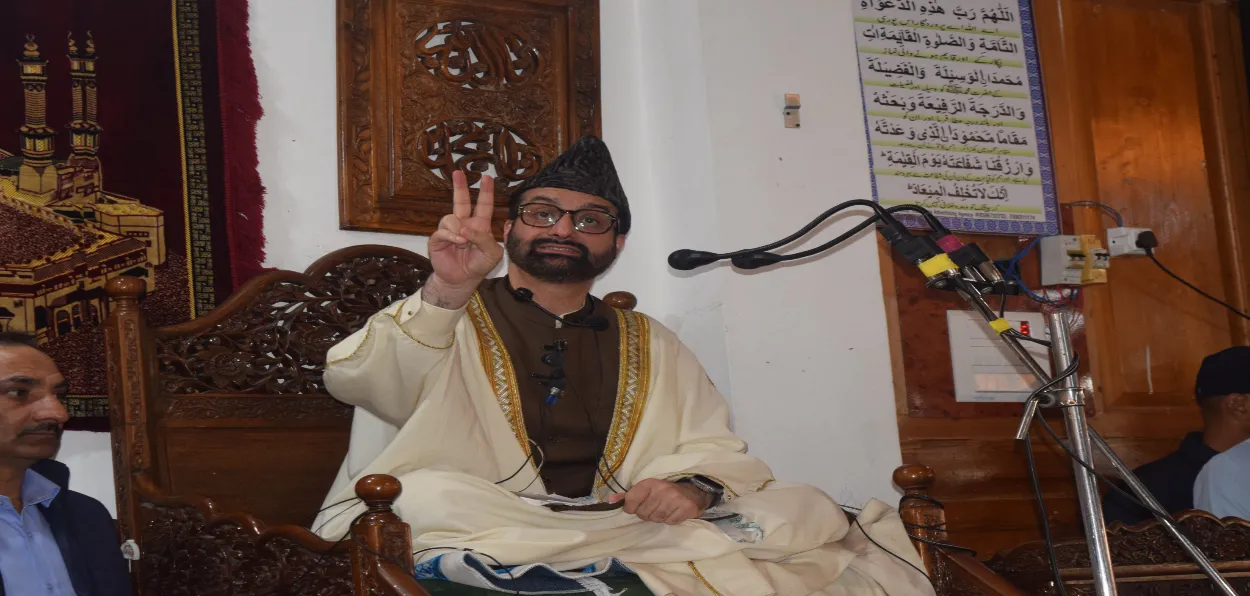
READ MORE:Mirwaiz Farooq leads first common Friday sermon in J&K
He said one should make AI an assistant, not a charioteer. "Your judgment and Dharma should be your charioteer. A machine can prepare a draft, but an innocent person may pay the price of negligence with their freedom. Therefore, a machine may write code, but it is the legal professional who must adhere to the code of conduct," he said.

_(1).jpg "Visitors gather at the Santosh Mitra Square Durga Puja pandal, themed on the 150th anniversary of Vande Mataram and its historic role in India's freedom movement, ahead of the festival, in Kolkata")

.jpg "Gujarat’s women entrepreneurs bring their craftsmanship to life during Navratri")






_(1).jpg "Renowned music composer Deva")
.jpg "Supreme Court of India")

.jpg "Visuals from NH 8 in Tripura")


_(2).webp)
.webp)