Basit Zargar/Srinagar
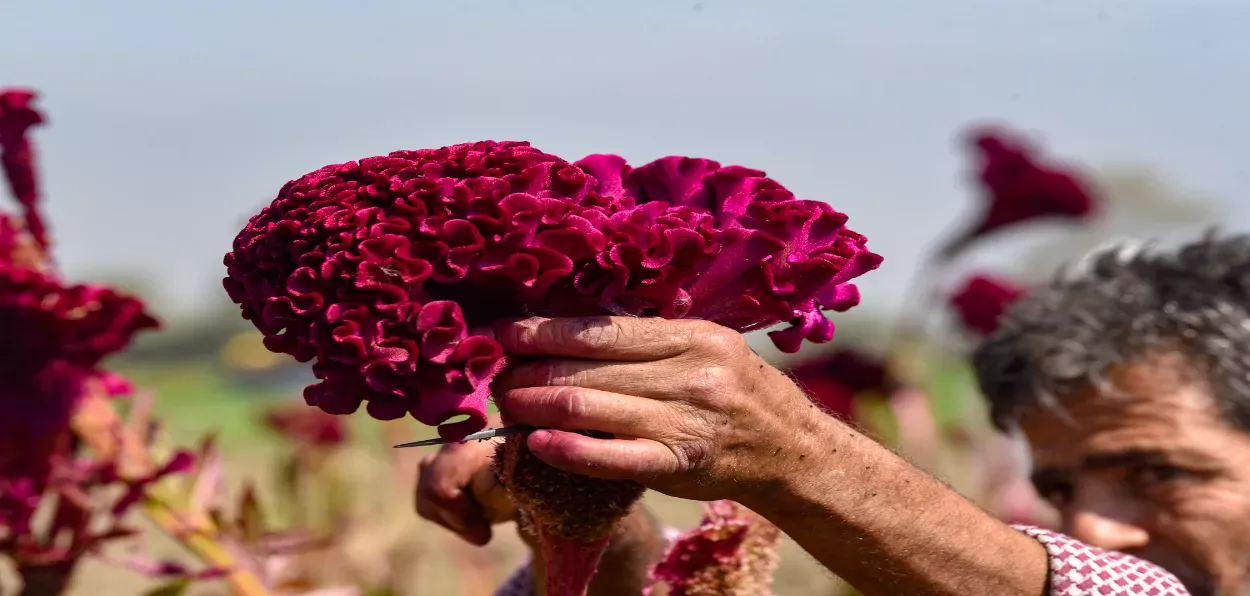
Farmers in Noor Bagh on the outskirts of Srinagar are harvesting bright red cockscomb flowers, locally known as Mawal, a traditional natural ingredient used to give Kashmir’s dishes a distinctive red colour.
Cockscomb (Celosia argentea var. cristata or Celosia plumosa) is a vibrant ornamental plant belonging to the Amaranth family, famous for its velvety, crested flower heads that look like a rooster’s comb or brilliant feathery plumes
The vibrant flowers are harvested during the autumn season and carefully dried for later use. For generations, Mawal has remained an important part of Kashmiri cuisine, particularly in traditional Muslim dishes prepared during weddings, festivals and family celebrations.
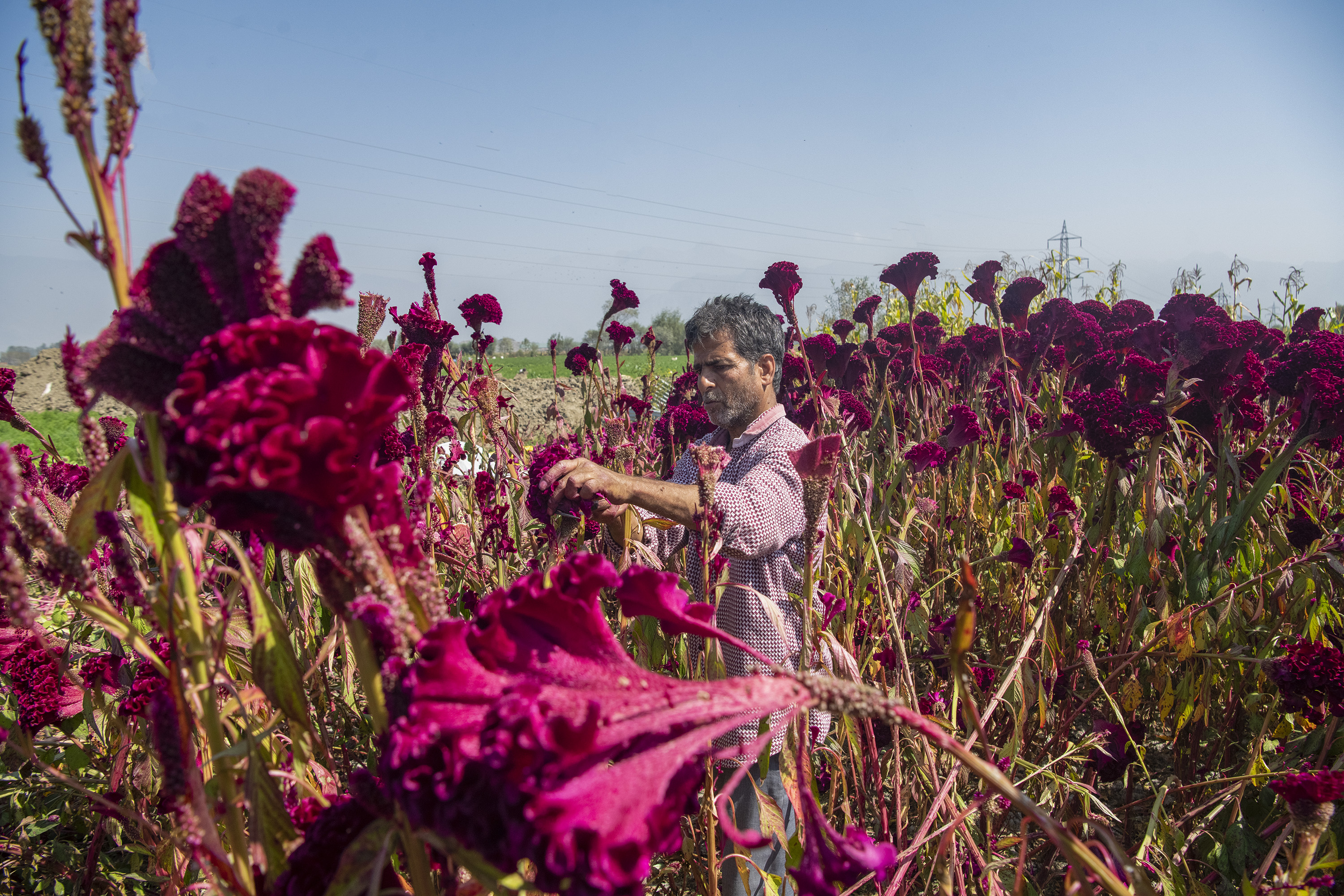 A farmer in a Coockscomb field
In Noor Bagh, fields of Mawal have turned bright red as the flowers reach maturity. Farmers move through the fields, picking the flowers by hand and gathering them into baskets.
Mohd Yousuf, a farmer from Noor Bagh, said the harvest is an important part of the seasonal agricultural cycle and that Mawal has traditionally been valued for its use in Kashmiri cooking.
“People have been using Mawal in our kitchens for generations. It gives Wazwan dishes a natural colour and is still preferred by many families,” Yousuf said.
After harvesting, the flowers are spread out and dried. The dried petals are later used to prepare the natural colouring traditionally added to several Kashmiri dishes.
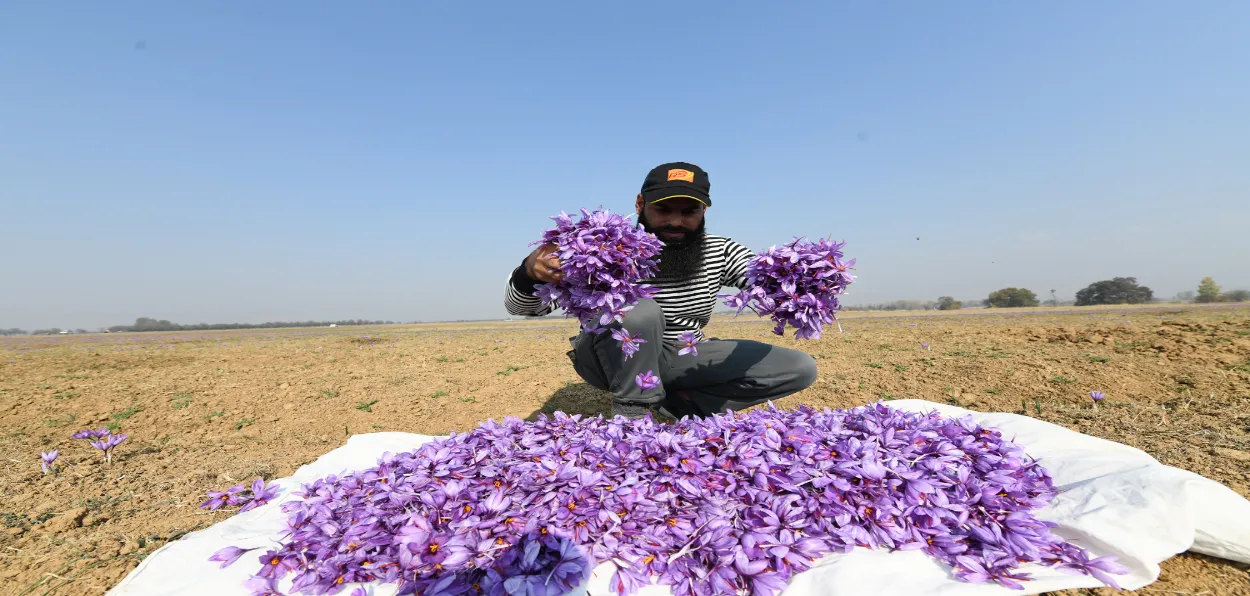
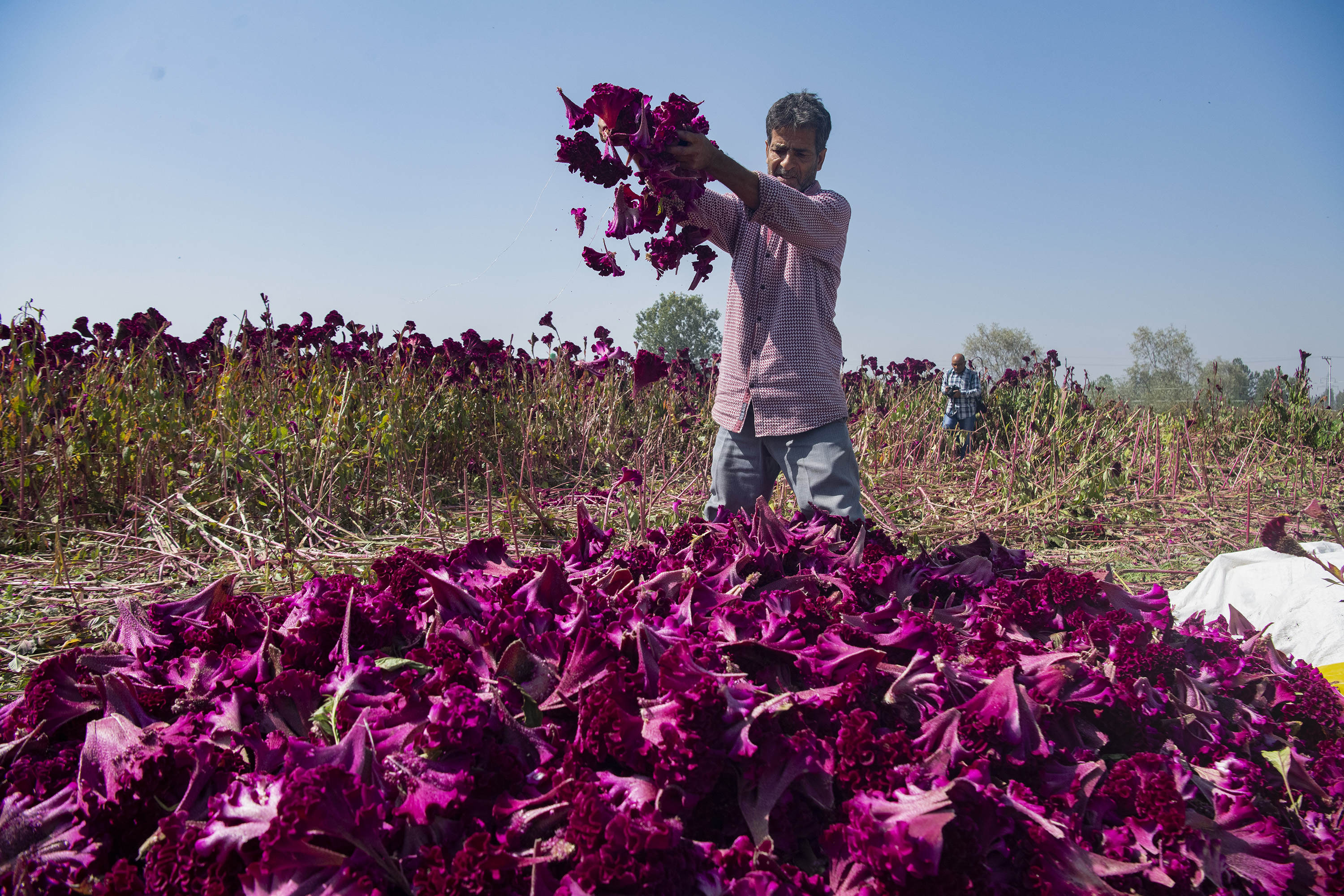 A farmer placing his harvested crop of cockscomb for drying in the sun
Mawal is particularly associated with Rogan Josh, one of the best-known dishes served as part of Wazwan. Its natural red colour has long been a distinctive feature of the dish, although modern kitchens also increasingly use commercially produced food colours.
Shabir Ahmad, another farmer involved in the cultivation of Mawal in Noor Bagh, said the crop remains closely connected with Kashmir’s food traditions.
“The flower may look simple, but it has an important place in our cuisine. During weddings and other occasions, people still ask for the traditional colour that comes from Mawal,” Ahmad said.
Farmers say cultivation and harvesting of the flower require considerable manual work, particularly during the picking and drying stages. The flowers need to be harvested at the right stage to retain their colour and quality.
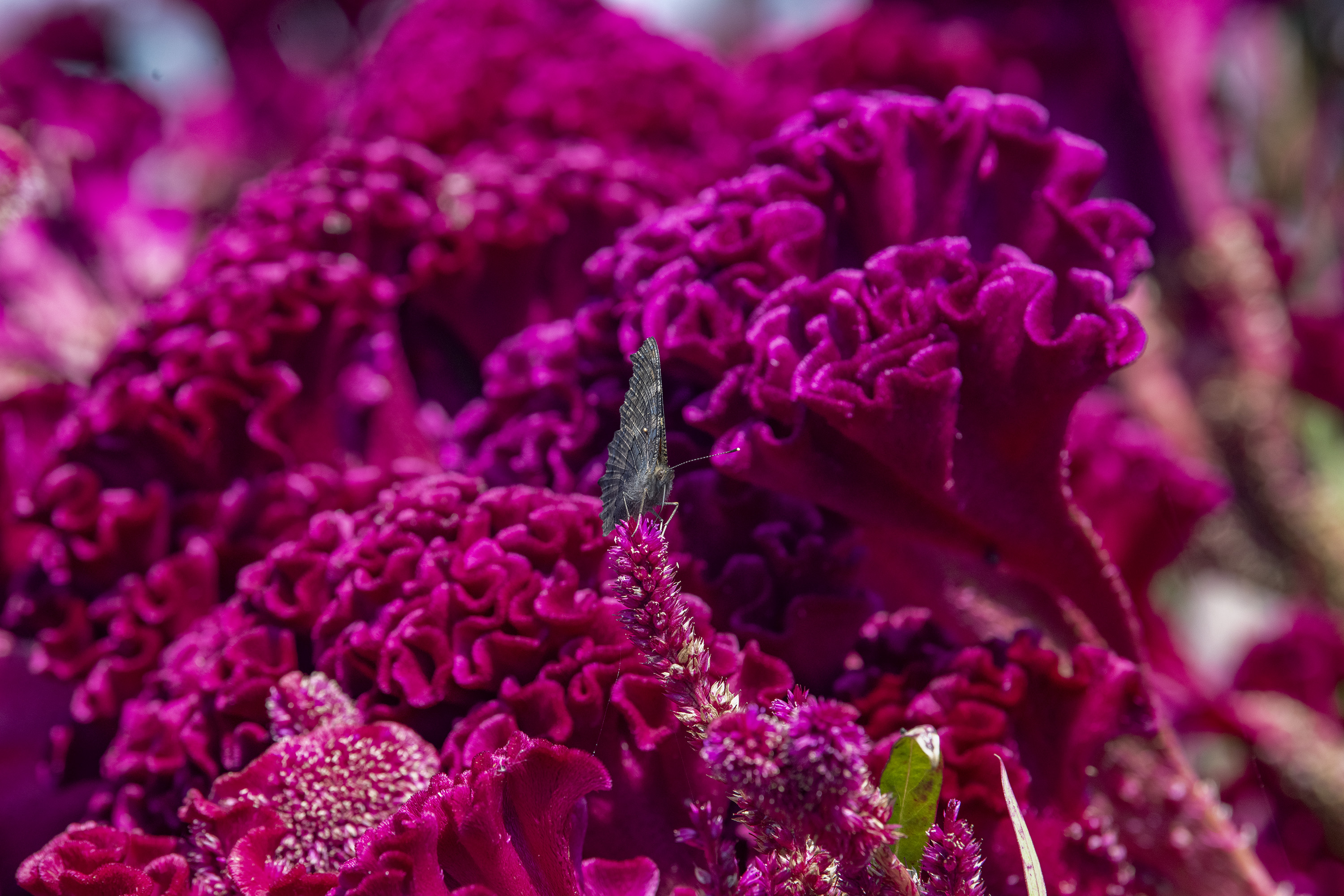 The Cockscomb flower
The crop also provides seasonal income for farmers and others involved in drying, processing and selling the flowers.
For many families in Kashmir, Mawal is more than an agricultural crop. Its use in traditional food has connected the flower with the region’s cultural and culinary identity. The bright crimson fields during harvest also offer a glimpse into a lesser-known aspect of Kashmir’s seasonal agriculture.
Farmers hope that growing interest in traditional Kashmiri cuisine and natural ingredients will help maintain demand for locally grown Mawal.
As the harvest continues in Noor Bagh, the flowers will eventually leave the fields and enter kitchens across the Valley, where dried Mawal will continue to provide the natural red hue that has long been associated with Kashmir’s Wazwan.
ALSO READ: JCO Salman Khan's Asiad rowing medal ignites his Olympic dream
For farmers such as Mohd Yousuf and Shabir Ahmad, the harvest is not only a source of seasonal livelihood but also a way of keeping alive a traditional ingredient that remains part of Kashmir’s culinary heritage.