_(1)_(1).webp "Naib Subedar Salman Khan")
Malick Asgar Hashmi / New Delhi
At 18, Salman Khan lost his father and became the main breadwinner for his family living in a small village in Amethi, Uttar Pradesh. His dream of joining the Indian Army seemed to be slipping away. To support his family, he moved to Delhi and began driving for Uber.
Eight years later, Naib Subedar Salman Khan, now 29, and a Junior Commissioned Officer in the Indian Army, has returned from Japan with a bronze medal from the 2026 Asian Games, where he and Satnam Singh finished third in the men’s double sculls event.
Salman’s journey from an Uber driver to an international rower has been shaped by hardship, determination and an unexpected introduction to a sport he had barely heard of.
.jpeg) Salman Khan and Satnam Singh at Asian Games after winning bronze medal
Salman Khan and Satnam Singh at Asian Games after winning bronze medal
Salman hails from Pure Dhingai village in Khairhana, Amethi district of Uttar Pradesh. His father, Mohammad Qasim Khan, worked for a truck manufacturing unit in Tawadu, Haryana, while Salman completed his schooling.
When Salman was 18, his father died of dengue. As the eldest among his siblings, he suddenly found himself responsible for supporting the family. Given their financial circumstances, his dream of joining the Army had to be put on hold.
He moved to Delhi and began driving an Uber cab at night to earn a living. Gradually, he stopped thinking about joining the Army.
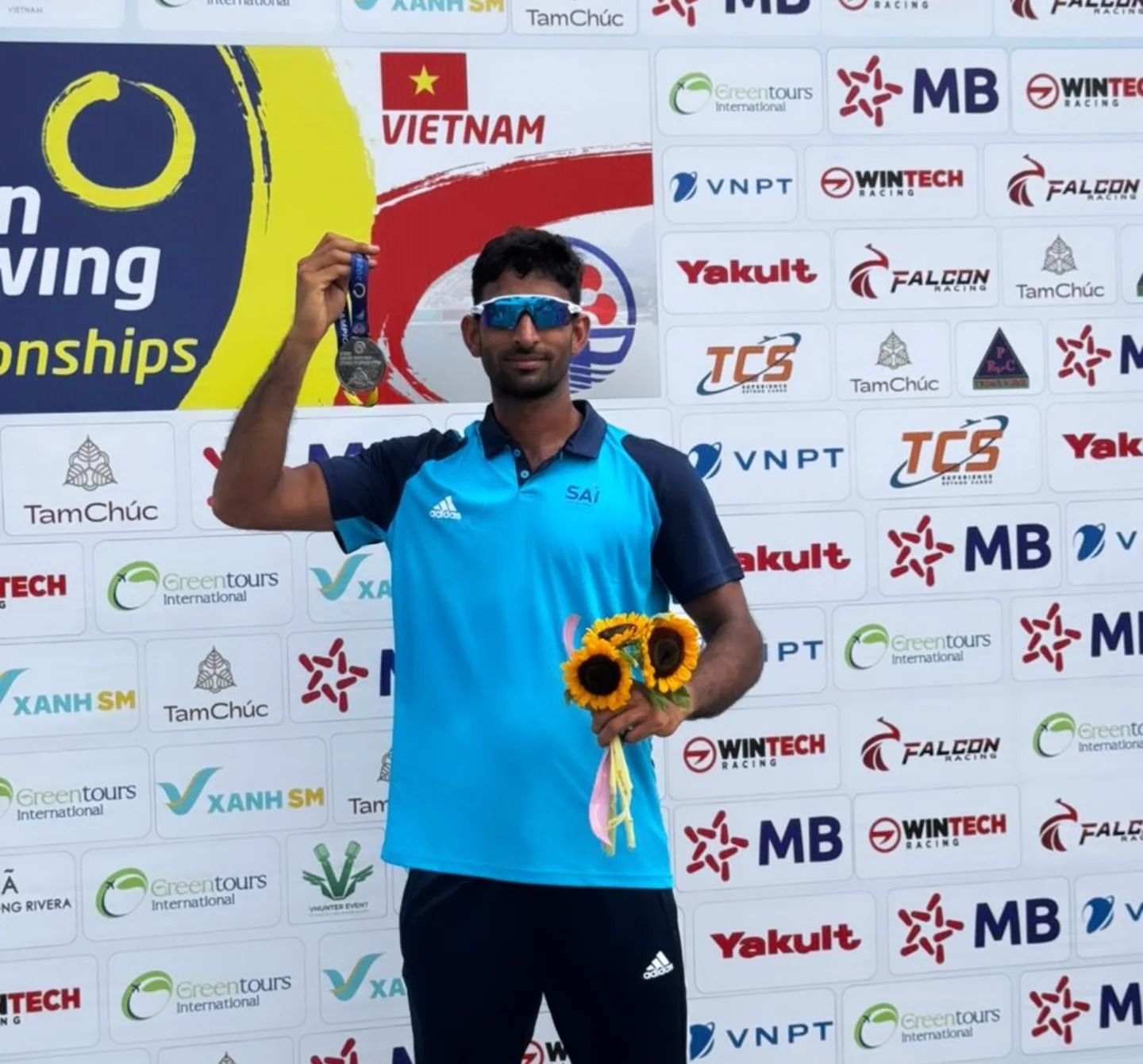 Salman Khan after winning medal in Vietnam
Then a close friend reminded him of the dream he had once cherished.
The friend told Salman that his physique was suited for the Army and encouraged him to appear for a recruitment rally. The conversation gave him the confidence to try again.
Salman handed over his taxi to another driver and spent four months preparing for recruitment. His efforts paid off. He was selected and joined the Indian Army on September 25, 2018, at Kirkee, Pune.
His life took another unexpected turn after joining the Army. At the training centre, instructors noticed his height and physical build and introduced him to rowing.
.jpeg) Salman Khan at a foreign location
Salman Khan at a foreign location
Salman knew very little about the sport. Coming from a financially struggling family, he had never made sport a priority. He was initially hesitant about taking up rowing, but his instructors recognised his potential and encouraged him to get on the water.
It proved to be a turning point.
Winning a silver medal at his first Inter-Centre Boat Competition gave Salman confidence and made him realise that he had potential in the sport.
The real transformation came in 2021. After meeting the required ergometer standards, he was selected for the Army Rowing Node at CME, Pune. Training alongside some of India’s top rowers opened up an entirely new world for him.
He realised that rowing was not merely an Army activity but could become a professional sporting career.
Like many athletes, Salman also went through phases when he considered quitting. During those difficult periods, his training officer, Major Nagendra Hooda, and Col Ramakrishnan, Commanding Officer of the Army Rowing Node, encouraged him to continue.
.jpeg) Salman Khan
Salman Khan
Soon, he was selected for the national team.
Salman never looked back.
In 2022, he won a gold medal at the 36th National Games in Gujarat. At the 2023 Senior National Championships, he won gold in the single sculls event, finishing ahead of Olympian Dattu Bhokanal. The performance earned him a place in the Indian team.
In 2024, Salman won his first international gold medal at the Asian Rowing Cup in South Korea, partnering Nitin Deol. He was subsequently promoted to the rank of Naib Subedar in the Indian Army.
Silver medals at the 2025 Australian Rowing Championships and the 2025 Asian Rowing Championships further strengthened his campaign for the Asian Games.
At the 2026 Asian Games in Japan, Salman and Satnam Singh won the bronze medal in the men’s double sculls event in Gifu, giving India its first-ever medal in the category.
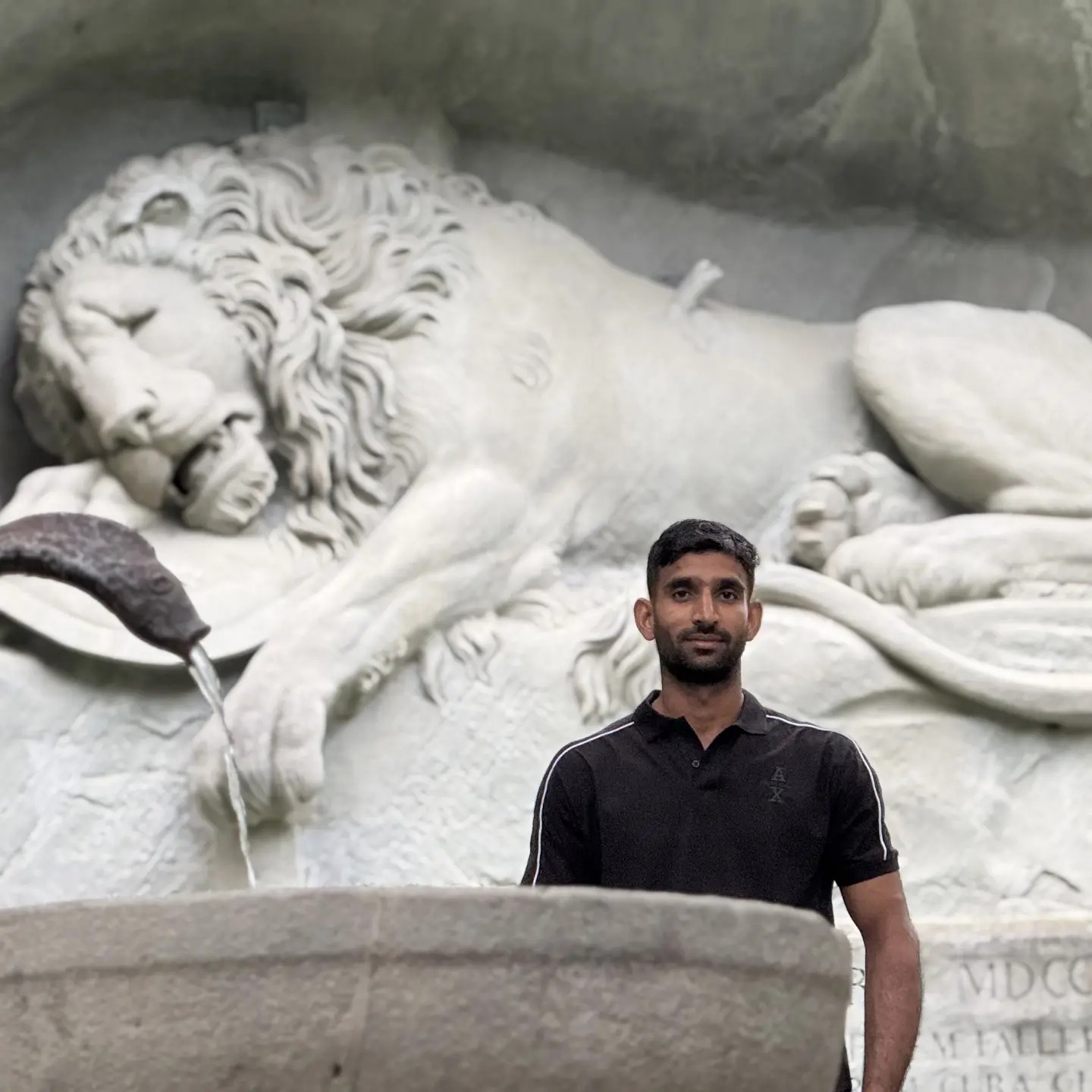 Salman Khan
For Salman, the medal is the result of teamwork as much as individual effort.
He says trust and coordination between team members have grown stronger through continuous training. The rowers live and train together and regularly analyse videos of their races to identify areas for improvement.
His preparation for the Asian Games involved an exceptionally demanding schedule.
Training began at 5 am, with Salman rowing around 20 kilometres. This was followed by breakfast, rest and video analysis.
At 11 am, he would head to the gym to work on strength, power and core muscles before returning to the water for another training session. The evening session focused on starts, sprints and race pace.
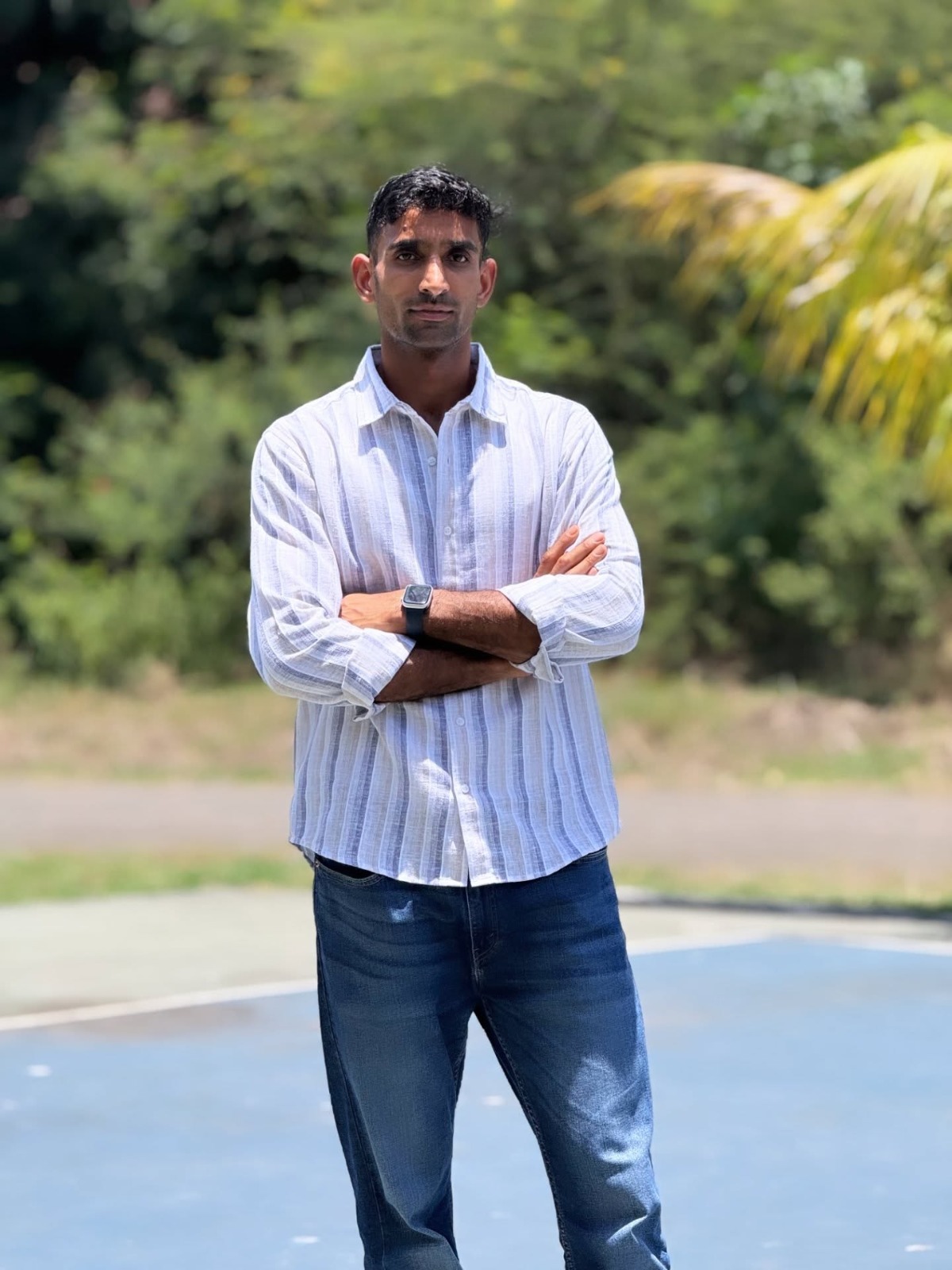 Salman Khan
In rowing, arm strength alone is not enough. Cardiovascular endurance, leg strength and core stability are equally important. Gym workouts and conditioning therefore form an essential part of his training.
During such an intense routine, Salman burns around 4,500 to 5,000 calories a day. His diet includes carbohydrates such as oats, rice and sweet potatoes, along with protein sources such as eggs, chicken and whey isolate. Electrolytes and energy supplements are also used during long training sessions.
Support under the SAI TOPS scheme has helped meet his specialised dietary and supplementation requirements.
Salman believes his early struggles gave him mental strength. Having taken responsibility for his family at the age of 18, he says he approaches the pressure of competitive sport differently.
During races, he focuses on his own plan rather than worrying about what is happening in other lanes. His aim is to execute his race step by step.
Wearing the Indian jersey is particularly special for him. Coming from an ordinary village and eventually representing the country, he says, carries a tremendous responsibility.
His journey, meanwhile, is far from over. After the Asian Games, Salman has set his sights on the 2028 Olympics in the United States.
The young Army rower also hopes his story inspires others who come from economically and socially disadvantaged backgrounds.
He wants young people to believe that their circumstances do not have to determine their future, and that with confidence, discipline and hard work, they can change the course of their lives.








_(1).webp "Biki Hussain, a young entrepreneur from Bihdia village, Kamrup, Assam")
_(1).webp "Abdulqadir Indorewala. Para Swimmer")

.webp)