Anaya Ayat/Guwahati
Netflix’s Operation Safed Sagar, based on the 1999 Kargil War, revisits the crucial role played by the Indian Air Force during the conflict. Directed by Oni Sen, the series moves beyond conventional war narratives built around spectacle and jingoism, focusing instead on the military drill, diplomacy, human relationships and strategic decisions around a war.
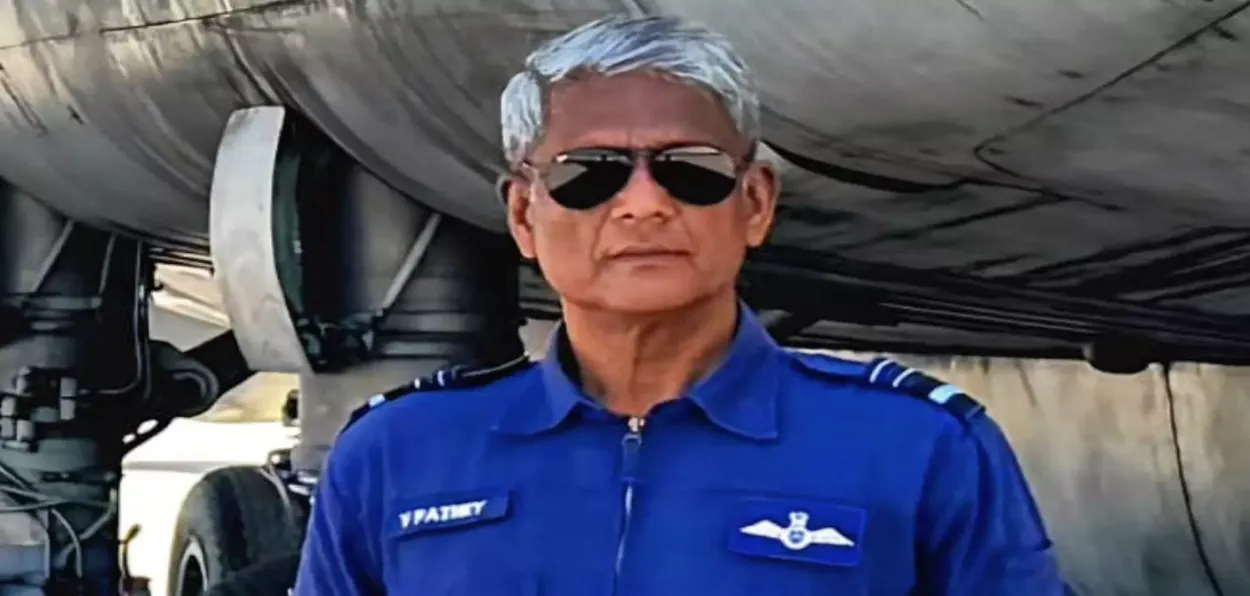
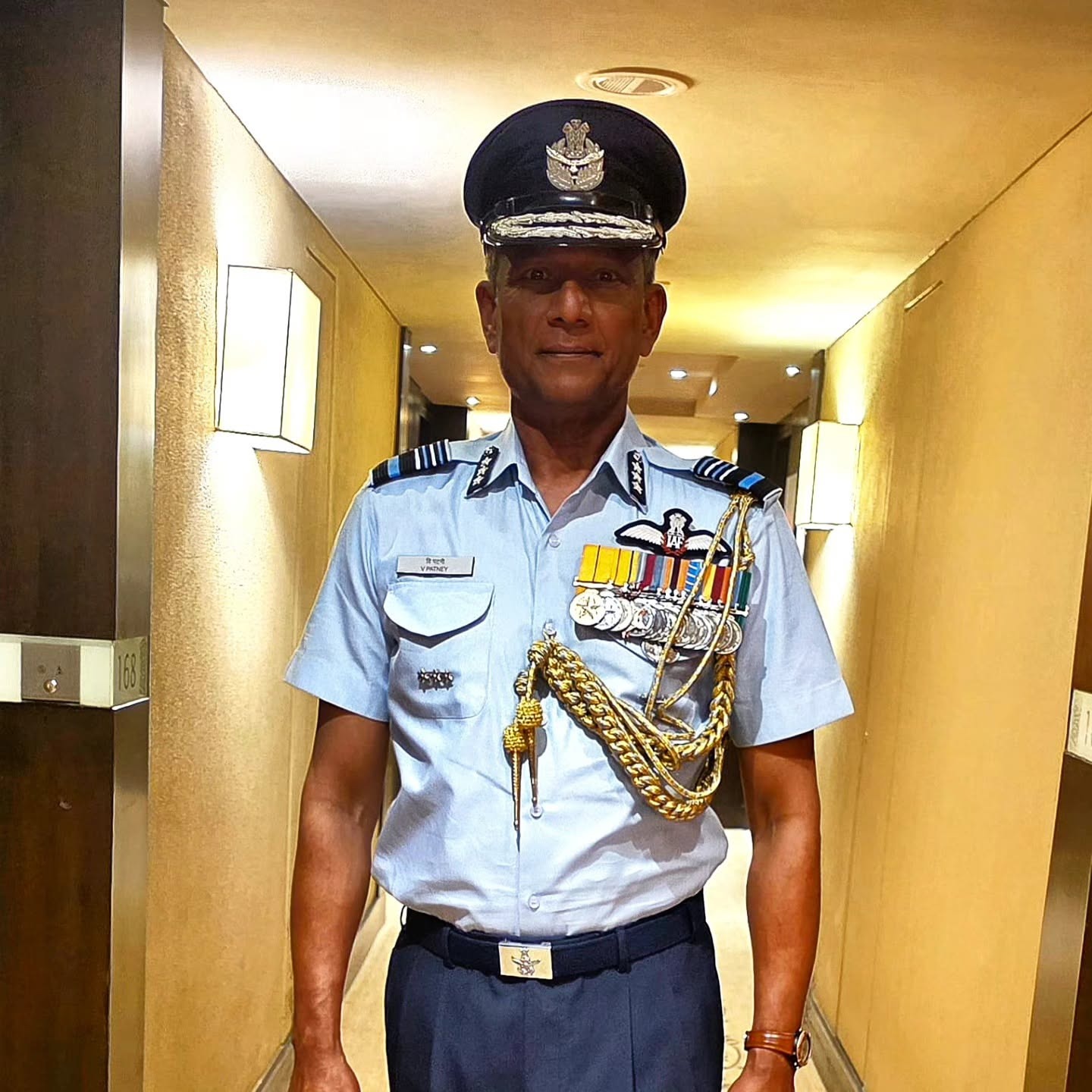
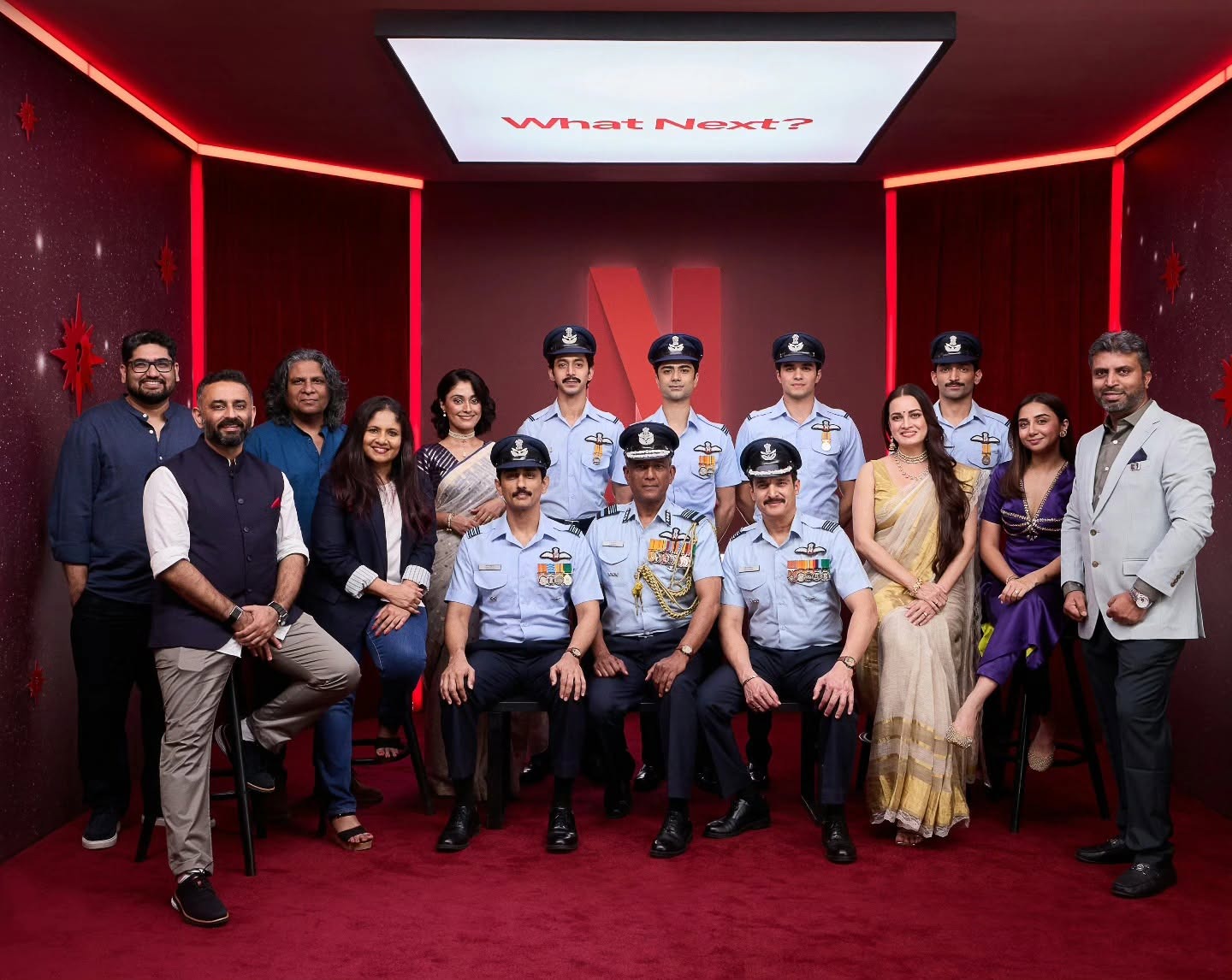
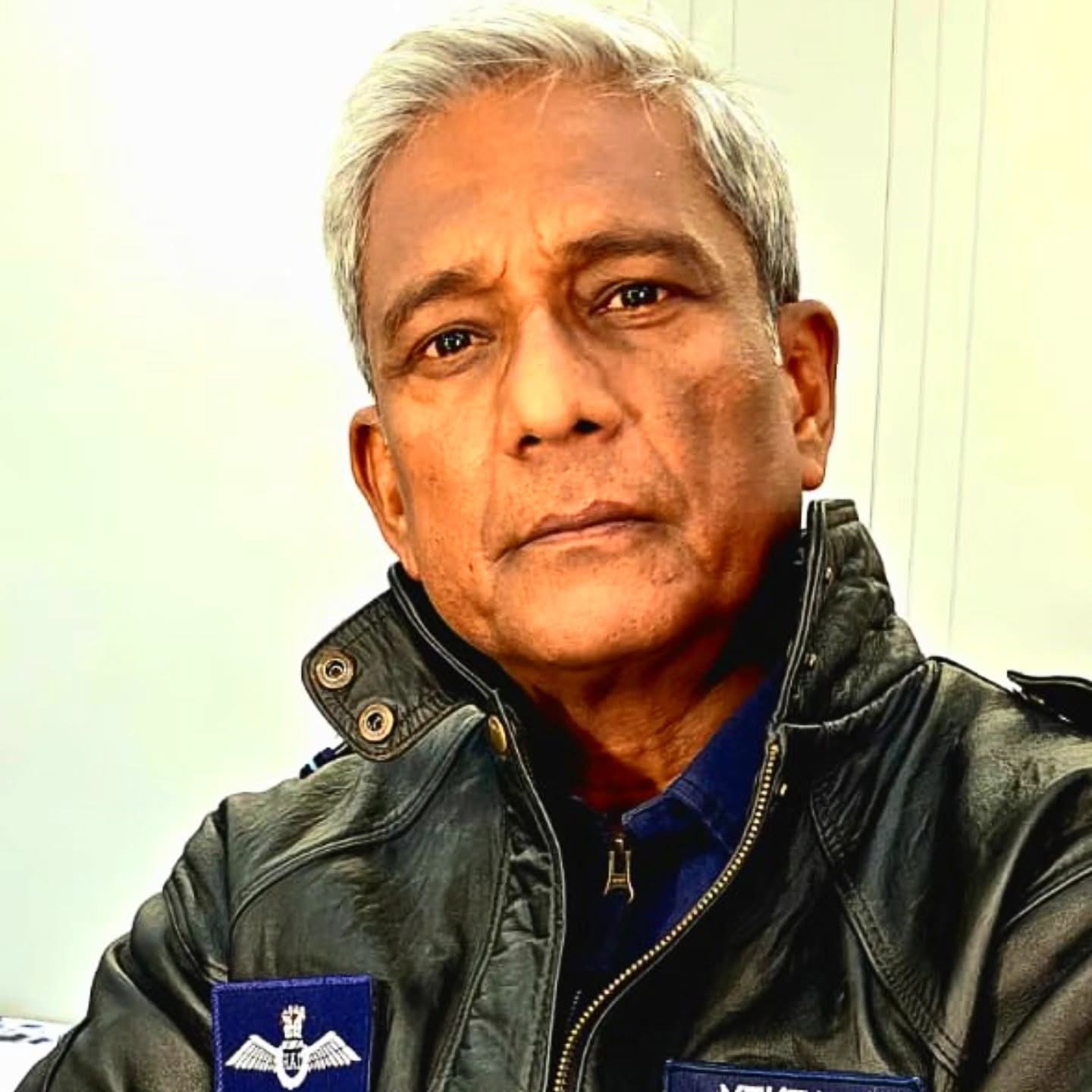
For actor Adil Hussain, who portrays Air Marshal Vinod Patney, the Air Officer Commanding-in-Chief (AOC-in-C) of the Western Air Command, the experience went beyond simply playing a character. Working closely with Indian Air Force personnel meant understanding their discipline, dedication and way of life. It made him do introspection about his profession and commitment.
Adil Hussain has established himself across Assamese, Bengali, Hindi and international cinema. He earned global recognition through acclaimed films including Ang Lee’s Life of Pi and Mira Nair’s The Reluctant Fundamentalist.
In an interview with Awaz-The Voice, Adil spoke about his experience of working on Operation Safed Sagar, his preparation for the role and the larger questions about duty, restraint, humanity and sacrifice that the series raised for him. Excerpts:
What lessons have you learnt from Operation Safed Sagar?
I was aware of our armed forces’ dedication, sincerity, honesty, strain, struggle, physical stamina and devotion to the country. But seeing the real airmen and IAF personnel and the military opened my eyes. It filled me with inspiration and pride.
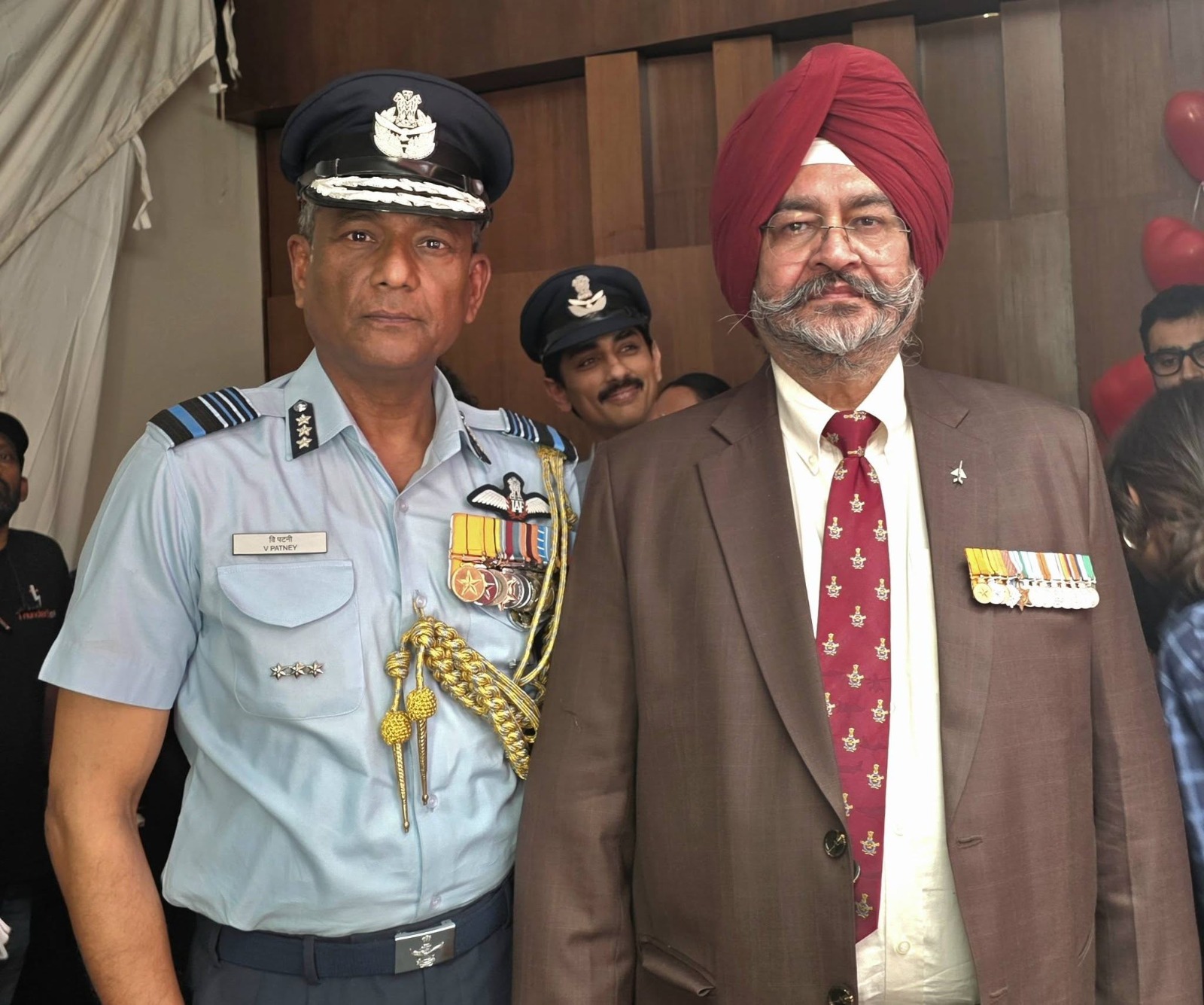
The intensity of their dedication and the humble, austere lives they lead within their campuses made me question my own work. I wondered whether I, as someone who has chosen acting as my profession, put myself through the same level of physical strain, late nights and preparation.
They are serving the country, while I am serving art. I asked myself -- why do I serve art? Do I have the same level of dedication? Do I work hard enough to go deeper into my craft and understand the philosophical reasons behind what I do?
All these questions made me reevaluate myself —not only as a person but also as an artist.
When you first heard about Operation Safed Sagar, what was it about the story that made you want to be part of it?
The story impressed me, and also the kind of improvisation the Air Force mustered to protect the country from a hostile neighbour. I was also struck by the dedication of the force amid constraints and limitations it faced because of the nuclear tests conducted a few months earlier.
It was an eye-opener for me, and I felt that I should be part of it. After reading all the episodes, I realised there was very little dramatisation. It is an actual story, and there is no unnecessary jingoism in the writing.
It is emotionally engaging and technically authentic storytelling, written by Kushal Srivastava, who served in the Indian Air Force before taking voluntary retirement.
I could sense his urge and earnestness to tell this story, and I wanted to be part of that journey.
The series spends considerable time showing the human side of the air warriors—their families, friendships and fears—rather than portraying them simply as larger-than-life heroes. Was that important to you as an actor?
It is important for me as an actor to examine the human nature and human side of every character, irrespective of the project. This becomes especially important when dealing with people who perform heroic actions. I am sure they do not look at themselves as heroes.
No real hero would look at themselves and say, “I am a hero.”
What makes them heroic is the work they do and the philosophical understanding that drives them to take those actions, put their lives on the line and make the ultimate sacrifice to protect the country.
Those are the aspects we generally see in films and other war stories. But behind those actions are human beings just like all of us. They have chosen this particular dharma, this swadharma, to serve the country.
It fascinates me that they are prepared to sacrifice their lives to protect the nation. Understanding what makes them do what they do is one of my areas of inquiry, both as an actor and as a human being.
I believe you spoke to IAF veterans while preparing for the role. How was that experience? Was there something they told you that changed the way you approached your character?
Yes, I spoke to Air Marshal Vinod Patney as well as other Air Force personnel whom I know. Kushal Srivastava and Abhijeet Parmar, who created the series, were also involved in those discussions.
We also conducted workshops and visited an Air Force base, where we interacted with group captains. I tried to understand their physicality—the way they brief others, walk and conduct themselves—as well as the way they relate to their families.
All of that became part of the preparation, particularly for characters whose families and private lives are depicted in the story. My character does not have much of a family life because he is in a very high position. He is primarily involved in strategic decisions and is not directly involved in action on the battlefield or in the airspace.
So, yes, those interactions were extremely valuable.
The series has received praise from IAF veterans for its relatively restrained portrayal of military life. As an actor, do you think restraint can sometimes make a war story more powerful than spectacle?
I think restraint in art is extremely important. For me, the definition of art is to remove everything extraneous and frivolous that does not need to be shown to a mass audience.
Art should inspire people to embody the highest qualities of human nature—restraint, calm, respect and empathy—while fulfilling their duty.
The phrase used in the series, “razor blades”, captures that idea. When we are called upon to perform our duty, we are razor-sharp. There can be no compromise on that. But there is no need to show off, because that is one of the more frivolous aspects of human behaviour.
These ideas are of great thinkers like Sri Aurobindo and Ramakrishna. Art should encourage people to restrain their instinctive, impulsive and reactionary behaviour. We should remain dignified, graceful, calm and empathetic while carrying out our duties.
For instance, in the series, when we capture a Pakistani soldier, we do not treat that soldier in the way Pakistan treated one of our men, Ajay Ahuja. We are civilised; we cannot be like our enemy to defeat our enemy.
We should not aspire to become brutal or violent simply because we are at war. War is, of course, a violent act, but only to the extent that violence is necessary. It should not be glorified, because nobody wants violence.
Violence may be shown in art as a means of moving towards a situation where violence is no longer necessary. It is not something we should celebrate as a higher expression of human nature.
It’s also great to see two of your works trending on Netflix India at No. 1 and No. 2—Safed Sagar and Musafir Café. How does it feel?
It is rewarding. I feel very good to be part of both series. Musafir Café is doing very well, and I am proud to be associated with both.
They are completely different series and explore different aspects of society and the human condition. I am grateful to the makers and to Netflix for commissioning them.
ALSO READ: Roohi Nazki's Chai Jaai elevates Kashmir's tea culture to next level
I hope Netflix is inspired to tell more stories of this kind—with nuance and a deeper analysis of the human condition.
(Anaya Ayat is a Guwahati-based writer)

.jpg "Gujarat’s women entrepreneurs bring their craftsmanship to life during Navratri")







.webp)