New Delhi
At Awaz-the Voice, we have been giving space to write-ups that address the misinterpretation of Islamic laws, jurisprudence or even Hadith. Here are five such articles that address contemporary issues from an Islamic perspective to be read on the year-end:
The perpetrators of terrorist attacks in Delhi, Bondi and even Pahalgam connect through subjective radicalization. Individual minds, shaped by ideology's pull, disrupt societies in unpredictable ways. But importantly, this is not limited to one group. In India, Hindu radicalization has surged too. According to the Armed Conflict Location and Event Data Project's April 2024 report, cow vigilantism motivated 22 percent of communal violence by Hindus targeting Muslims between 2019 and mid-2024.
The patterns are the same, narratives twisted by social media, selective scripture, us versus them divides. Radicalization grows from grievances meeting rigid beliefs, turning faith into force. It is a process shaped by education, online spaces, politics, and religious settings. To stop it, we need to understand those roots, before ideas ignite into harm.
Read Full Story: https://www.awazthevoice.in/opinion-news/bench-to-screen-learning-poses-a-challenge-in-de-radicalisation-46586.html
In today's world, the word Kafir has been stripped of its theological depth and weaponised as a tool for political mobilisation, social media vitriol, and communal hostility. It's frequently cited as definitive proof that Islam bifurcates the world into "believers" and "enemies." This reductive perception is fueled by a toxic mix of primetime television debates, viral misinformation, and hate-driven narratives that cast Muslims as inherently intolerant.
Conversely, extremist factions in regions like Pakistan, Bangladesh, and the Middle East also use it to legitimise violence and social exclusion. Consequently, the burden of this linguistic misuse falls upon ordinary Muslims everywhere, even though the Quranic application of the term is profoundly nuanced, specific, and ethically restrained.
Read Full Story: https://www.awazthevoice.in/opinion-news/muslims-must-dispel-misgivings-about-term-kafir-46186.html
In Islam, a mosque is a place of prayer, a centre of education, guidance for society, and a symbol of peace, morality, and humanity. Building mosques is always a deed of faith in the Almighty.
Islam's purpose is not to create confusion and animosity among the people by building mosques when there is no need. The Prophet himself has forbidden the construction of mosques due to dissension, division and ego (in the case of Masjid Dirar). Therefore, an important principle of Islam is that where there are praying people, there must be a mosque, and where there is none to pray, there is no need for a mosque.
Read Full Story: https://www.awazthevoice.in/opinion-news/mosques-are-not-built-to-raise-animosities-45548.html
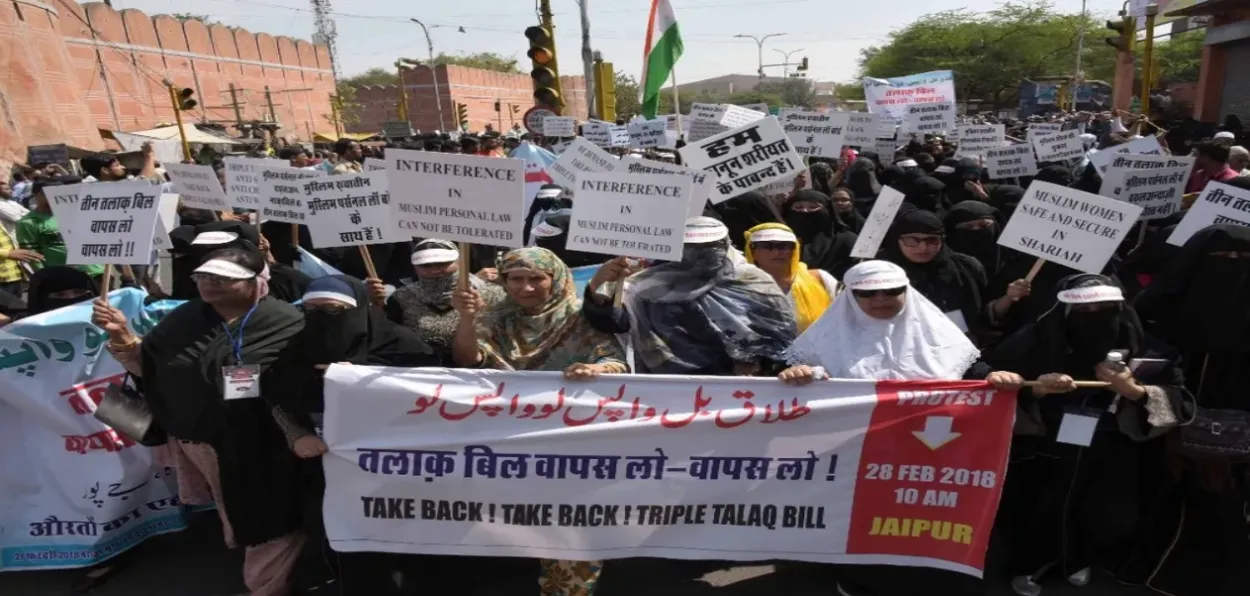
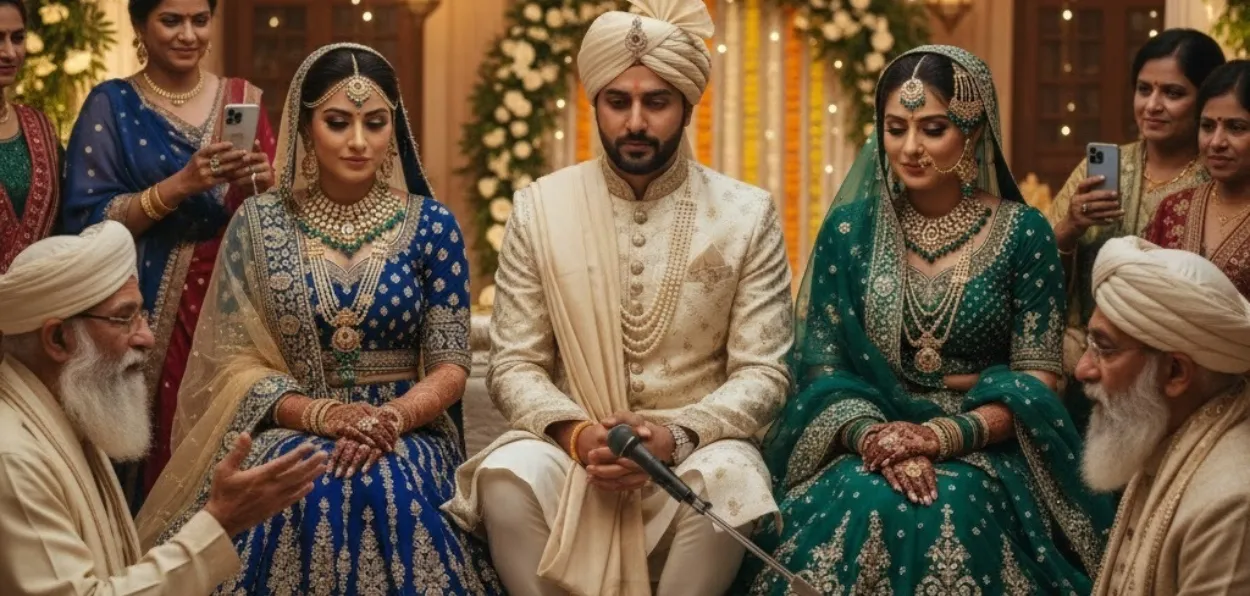
The Bharatiya Muslim Mahila Andolan (BMMA) conducted a survey involving 2,500 women across India, including both first and second wives. The data from this survey serves as a grim reminder of the consequences of unregulated matrimonial laws.
The findings revealed that polygamy is not merely a theoretical privilege for men but a source of immense trauma for women. The women surveyed reported facing severe economic hardship, social humiliation, and a deterioration of both mental and physical health.
This data is not just a collection of numbers; it captures the silent agony of women. For instance, a report by Awaz-The Voice highlighted the tragic case of Tasleem. Pregnant with her third child, she was thrown out of her home and subjected to an illegal triple talaq. Her husband labelled her "mad" simply to justify his cruelty and pave the way for a second wife.
Read Full Story: https://www.awazthevoice.in/opinion-news/polygamy-a-religious-privilege-or-a-social-injustice-45178.html
A quiet but profound cultural metamorphosis is underway within Muslim India, sparking a critical debate that strikes at the heart of the community's existence: Is the growing influence from Muslim-majority countries, particularly the Gulf nations, eroding the unique, syncretic identity that Indian Muslims have cultivated over a millennium?
ALSO READ: Mohammed Haris' journey to Indian skies began from a ticketing office in Kerala
This tension has transcended abstract intellectual discourse and is now visibly manifesting in the everyday sociology of the community. It is evident in the shifting sartorial choices where the black abaya is steadily displacing the traditional, vibrant salwar-kameez and in evolving culinary habits, as Middle Eastern cuisines like Mandi and shawarma gain prominence over indigenous traditions
Read Full Story: https://www.awazthevoice.in/opinion-news/salvar-kameez-to-hijab-trend-reflects-indian-muslims-identity-crisis-44159.html