New Delhi
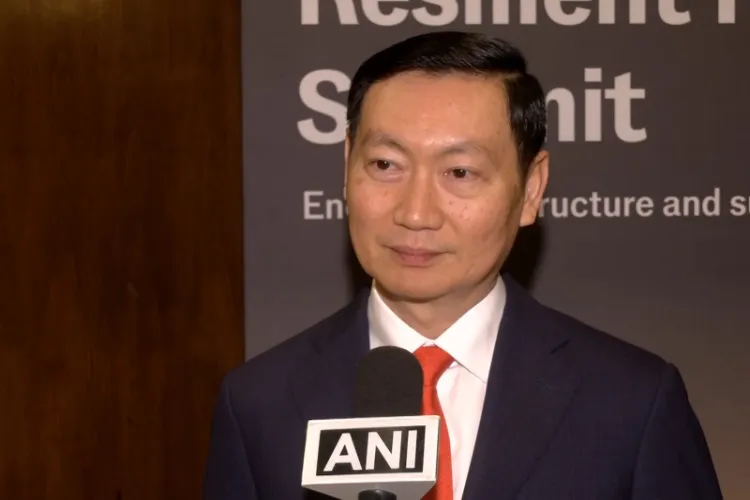
The closure of the Strait of Hormuz has triggered widespread disruption in global energy markets, with countries across regions witnessing rising fuel prices and supply stress, Cambodia's Energy Minister Keo Rottanak said on Wednesday, underlining the need for diversified energy sources and faster transition to renewables.
Speaking exclusively to ANI, Rottanak said the impact of the disruption is global in nature, affecting both developed and developing economies alike. "It is extremely difficult to point to a country that has not been impacted. Even the United States has seen a rise in fuel prices, and countries like India, Cambodia and ASEAN members are particularly vulnerable due to dependence on imported oil and gas," he said.
He noted that nearly 20 per cent of global oil and gas supply passes through the critical maritime route, making any disruption a significant threat to energy security worldwide.
Highlighting India's strategy, the Cambodian minister said diversification of energy imports and a strong push towards renewable energy have helped cushion the impact. "India's success in diversifying sources and investing in renewables, much like Cambodia, has helped mitigate the disruption. Without that, the impact would have been far more severe," he said.
Rottanak stressed that the ongoing crisis reinforces the importance of renewable energy in ensuring long-term resilience. "This is a validation that renewable energy is key to energy security and resilience," he added.
READ MORE: RJ Saima's Purani Jeans revived love of golden era music among youth
On immediate measures, he said Cambodia has prioritised ensuring fuel availability despite tighter global supply conditions. The government has also introduced measures such as reducing import duties on petroleum products and promoting alternatives like electric vehicles and induction cookstoves to reduce dependence on LPG.
He further emphasised the importance of maintaining public trust through transparent pricing mechanisms. "It is critical that people understand price increases are due to global supply tightening, not market manipulation. Transparency is key to avoiding panic," he said.













.webp "Representational Image")