New Delhi
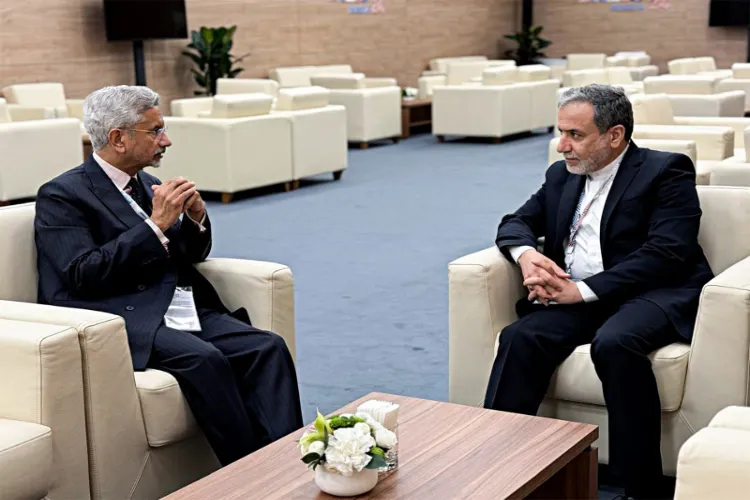
External Affairs Minister Subrahmanyam Jaishankar on Wednesday evening held a telephone conversation with Iranian Foreign Minister Abbas Araghchi, during which both sides discussed the evolving situation in West Asia and agreed to maintain close contact going forward.
The Embassy of Iran in India stated that the discussion covered recent developments related to the ceasefire, along with broader bilateral relations and key regional and international issues.
In a post on X, Jaishankar confirmed the conversation, saying he had a detailed exchange of views with Araghchi on the current situation and that both leaders would remain in regular touch.
As tensions continue to evolve across West Asia and the Gulf region, Mohammad Hossein Ziyaeenia, Deputy Representative of Iran’s Supreme Leader in India, said that all countries have a role to play—positively or negatively—in helping bring an end to hostilities.
Speaking to ANI, he described the ongoing conflict as a confrontation between “oppression and self-defence” and questioned global priorities in light of rising human suffering.
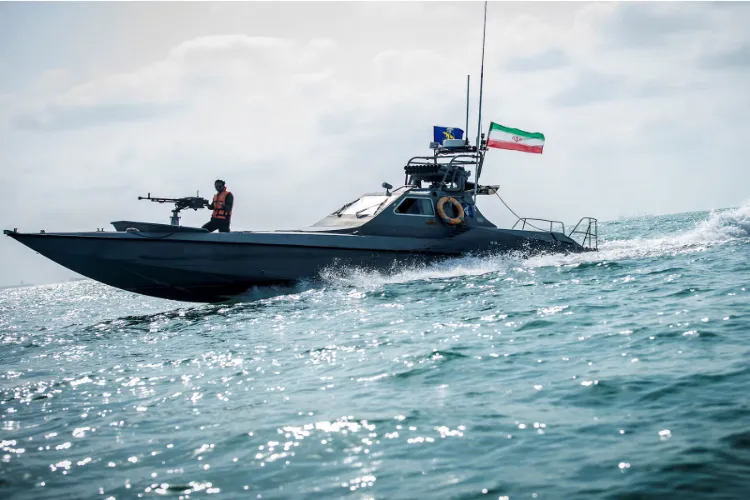
Meanwhile, Iran’s Islamic Revolutionary Guard Corps (IRGC) Navy has issued a strong warning to the United States, claiming it is prepared to use unconventional strategies if tensions escalate further.
According to Iranian media reports, IRGC Navy deputy for political affairs Mohammad Akbarzadeh said the force possesses “surprise tactics” that could be deployed if Washington makes any miscalculation. He also indicated that in the event of further US military action, Iran’s naval forces would activate newly developed capabilities.
The rhetoric highlights increasing military tension in the region as Iran signals readiness to respond to any perceived aggression.
The current conflict in West Asia escalated after joint US-Israel strikes on Iran on February 28, which Iran claims resulted in the killing of its Supreme Leader, Ali Khamenei, along with other senior officials.
READ MORE: RJ Saima's Purani Jeans revived love of golden era music among youth
In retaliation, Tehran targeted Israeli and US-linked assets across several Gulf states, leading to disruptions in maritime routes and impacting global energy markets and overall economic stability.