Cairo
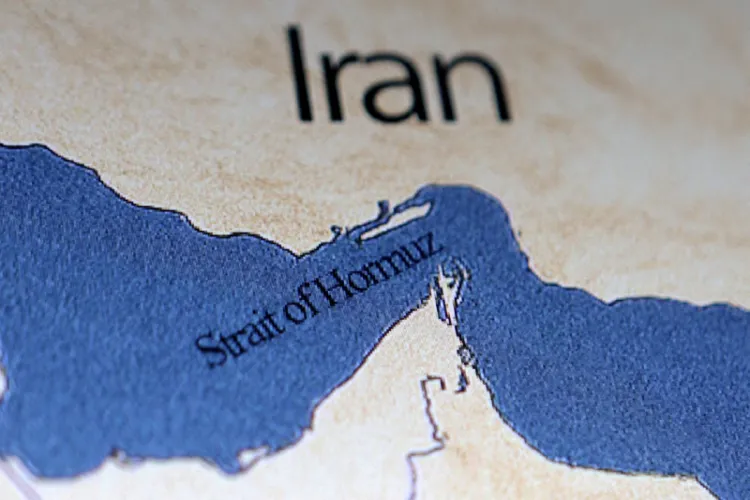
The United States Central Command announced it would begin a blockade of Iranian ports and coastal areas on Monday, escalating tensions with Iran after recent ceasefire talks failed.
According to the announcement, the blockade would apply to vessels entering or departing Iranian ports on the Persian Gulf and the Gulf of Oman. However, ships travelling between non-Iranian ports would still be allowed to pass through the Strait of Hormuz.
Iran responded by warning that no port in the region would be safe if the blockade proceeds. Iranian military statements said security in the Persian Gulf and Sea of Oman must apply equally to all countries.
The move follows unsuccessful US-Iran negotiations held in Pakistan over the weekend. JD Vance said talks stalled because Iran refused to accept US demands related to nuclear weapons restrictions.
Iran reportedly sought compensation for damage caused during recent US-Israeli strikes and the release of frozen Iranian assets.
The blockade is expected to increase pressure on Iran’s oil exports and may further disrupt global energy markets. Oil prices rose sharply in early trading, with Brent crude moving above USD 100 per barrel.
Keir Starmer said Britain would not participate in a US-led blockade and remained focused on reopening maritime routes rather than entering the conflict.
Senior Iranian officials also issued warnings. Parliament Speaker Mohammad Bagher Qalibaf said Iran would respond if attacked, while officials maintained that the Strait of Hormuz remains under Iranian control for civilian shipping.
READ MORE: Ayesha Tabassum’s journey from breaking news to building narratives
The current ceasefire is due to expire on April 22, and neither side has announced what steps may follow if no new agreement is reached.











.webp "Brazilian President Luiz Inacio Lula da Silva")

.webp)



_(1).webp)