Shimla
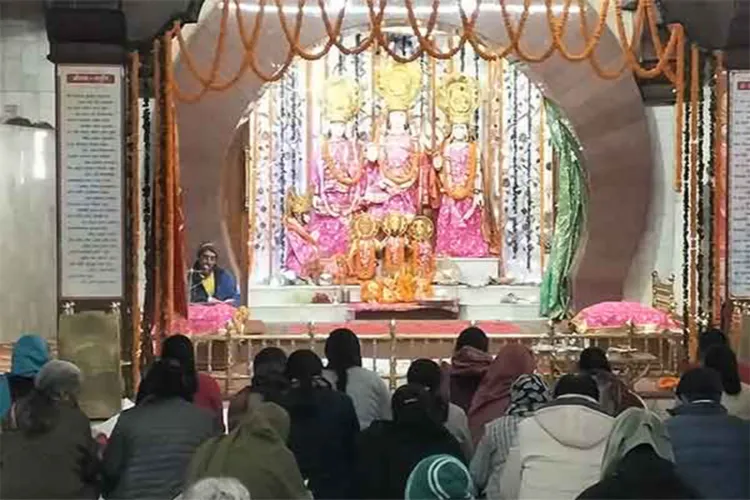
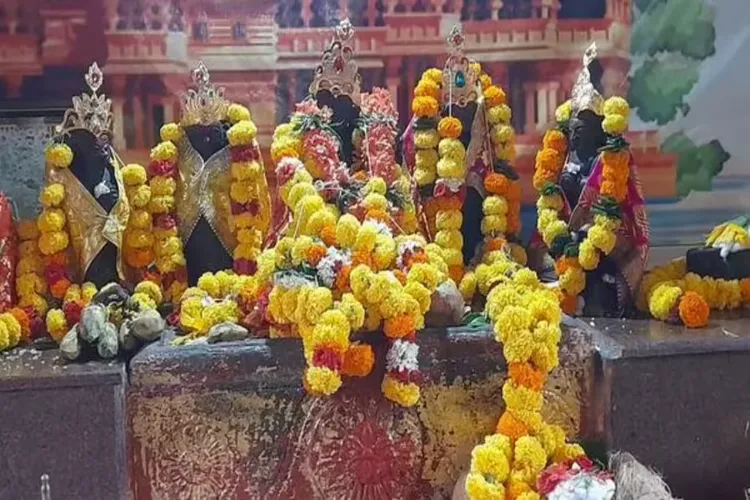
A large number of devotees assembled at the historic Ram Mandir in Shimla to celebrate Ram Navami, taking part in special prayers, yajna ceremonies, and recitations of sacred texts.
Speaking on the occasion, local priest Sukhdev Shastri explained the spiritual importance of Lord Ram’s birth. He said divine incarnations take place to eliminate evil and restore righteousness, adding that Lord Ram, revered as ‘Maryada Purushottam’, represents the ideal of moral conduct. He noted that the festival encourages people to follow values such as discipline, duty, and respect for elders.
Shastri also highlighted that continuous recitations of the Ramcharitmanas had been ongoing since the beginning of Navratri and concluded on Ram Navami, followed by a community feast.
Rajiv Sood, president of the Shimla Sood Sabha which manages the temple, extended greetings and described the scale of the celebrations. He said festivities begin with Navratri each year, starting with rituals dedicated to Goddess Kali before the main recitation of the Ramayana.
He added that this year, Acharya Prem Ji from Kandaghat, along with his team, conducted an eight-day programme of recitations and devotional music. The concluding day included rituals, a yajna, a Ram Katha session, and a large bhandara open to all devotees.
Highlighting the cultural significance of the period, Sood remarked that many consider it the beginning of the Hindu New Year, which he described as being aligned with natural and astronomical cycles.
Speaking about the temple’s legacy, he said the idols are believed to be around 160–170 years old, although the current structure and installation date back to June 26, 1988. He pointed out a rare coincidence this year, as the date aligns with June 26, 2026, in both the Gregorian and Hindu calendars.
Sood also mentioned challenges in expanding the temple due to environmental regulations, noting that religious teachings emphasise living in harmony with nature.
READ MORE: Pilot Hana Mohsin Khan defies social and religious stereotypes
The celebrations concluded with rituals, devotional recitations, and the distribution of prasad, drawing devotees from across the region.
.gif)






.webp "Representational Image")