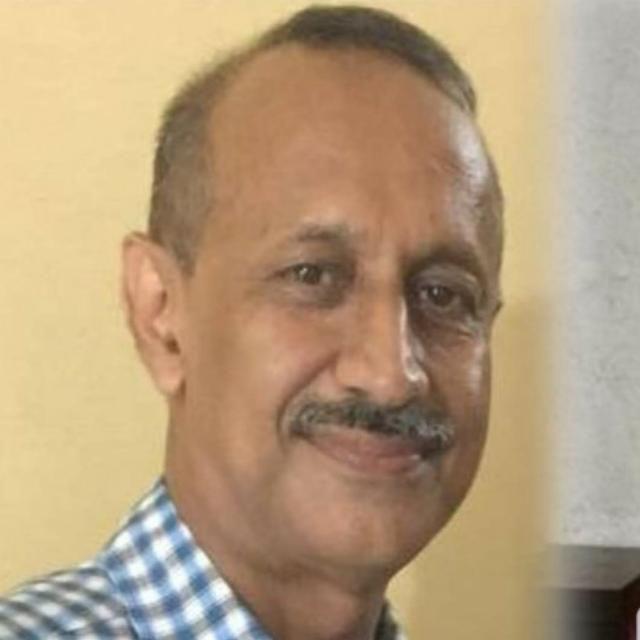
 Pallab Bhattacharyya
World Interfaith Harmony Week will be observed globally from February 1 to 7, 2026, continuing a tradition that inspires unity across faiths and nations. First proposed by King Abdullah II of Jordan at the United Nations General Assembly in September 2010, it was adopted through a UN Resolution on October 20.
The resolution affirmed that mutual understanding and interfaith dialogue are essential for a culture of peace and invited all people, regardless of belief, to celebrate through the inclusive principle of “Love of God and Love of the Neighbour,” or “Love of the Good and Love of the Neighbour.” Since the first observance in 2011, the movement has become a worldwide call for coexistence and compassion.
The 2025 observance in Delhi was a luminous reflection of India’s pluralistic spirit. Organised by the Global Peace Foundation (GPF) India, the three-day Interfaith Conclave 2025 combined India’s ancient wisdom of Vasudhaiva Kutumbakam—the world is one family—with contemporary peacebuilding frameworks. Leaders from Hindu, Buddhist, Muslim, Christian, Jain, Sikh, and Parsi traditions gathered to reaffirm faith’s unifying role in a divided world.
The conclave opened with Dr Markandey Rai, Chairman of GPF India, invoking India’s civilizational ethos of unity beyond boundaries. Goswami Sushil Ji Maharaj, convener of the Bhartiya Sarv Dharm Sansad, recalled Swami Vivekananda’s 1893 address at the Chicago Parliament of Religions as a timeless message of harmony. Speakers such as Bhikkhu Sanghasena, Fr. Rajakumar Joseph, Imam Faizan Muneer, and Swami Sarvalokananda highlighted shared moral values—truth, service, and compassion—that transcend religious identity.
What distinguished the Delhi observance was the participation of youth and creative engagement. A pre-event poster competition, Art for Harmony, invited young artists to visualise peace, while workshops on “Skills for Interfaith Dialogue” trained students in empathy and respectful communication. Youth-led roundtables on peacebuilding showed how dialogue, when combined with action, can transform communities. These initiatives align with global best practices that link interfaith learning to arts, service, and civic participation.
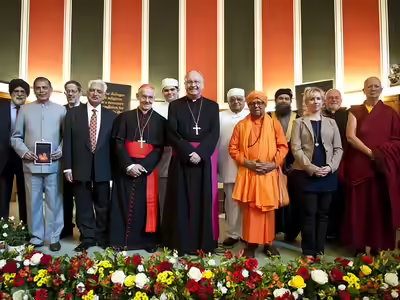
Across the world, interfaith dialogue has evolved into a vital tool for peace. The United Nations promotes it through the Alliance of Civilisations and UNESCO’s intercultural programs. Regional examples abound: Indonesia’s grassroots Forum Kerukunan Umat Beragama promotes local religious cooperation;
Europe’s institutional frameworks like the UK Inter Faith Network support structured engagement; and Nigeria’s Interfaith Mediation Centre unites pastors and imams to rebuild communities torn by conflict.
Such models demonstrate that spiritual traditions can strengthen reconciliation and social trust.
India’s role in this global movement remains distinctive. Its history is shaped by inclusion—Ashoka’s tolerance, Akbar’s Din-i-Ilahi, Guru Nanak’s universalism, and Gandhi’s interfaith prayers. In an era of polarisation, India’s constitutional promise of fraternity remains its guiding light. The 2025 conclave reaffirmed that harmony means not passive tolerance but active collaboration—religious leaders and citizens working together for education, the environment, and women’s empowerment.
Globally, youth have become key agents of peace. Studies show that interfaith exposure in early years nurtures empathy and reduces prejudice. GPF India’s initiatives—Youth Peace Clubs and Indo-Pacific Peace Forums—reflect this belief that harmony must grow from communities, not be imposed from above.
As the world prepares for Interfaith Harmony Week 2026, the Delhi conclave stands as a reminder that dialogue rooted in shared values can heal divisions. It also showed that interfaith cooperation is not an idealistic aspiration but a practical necessity in a world confronting identity conflicts, environmental degradation, and social fragmentation. The Indian vision of Vasudhaiva Kutumbakam, echoed in the G20 theme “One Earth, One Family, One Future,” gives fresh meaning to this universal movement for peace.
When Interfaith Harmony Week 2026 unfolds from February 1 to 7, temples, mosques, churches, gurdwaras, and monasteries around the world will again open their doors in friendship. In classrooms and communities, art, music, and service will reaffirm that peace begins with the heart that listens.
The lamps of faith that light Delhi and distant cities alike will remind humanity that beyond every difference lies the same yearning for goodness.
ALSO READ: Assam: Polygamy is a declining trend among Muslims
In a time when the world struggles to rediscover empathy, India’s example offers a moral compass—showing that harmony is not a dream but a daily practice. As people of every faith join hands to celebrate this week, they affirm the simple truth that when love of the good guides our actions, humanity indeed becomes one family—a message of hope for a world learning again to live as one.
The author is the former Police Chief of Assam
.webp "Representational Image")






.webp "Representational Image")
.webp "Prime Minister Balendra Shah")