New Delhi
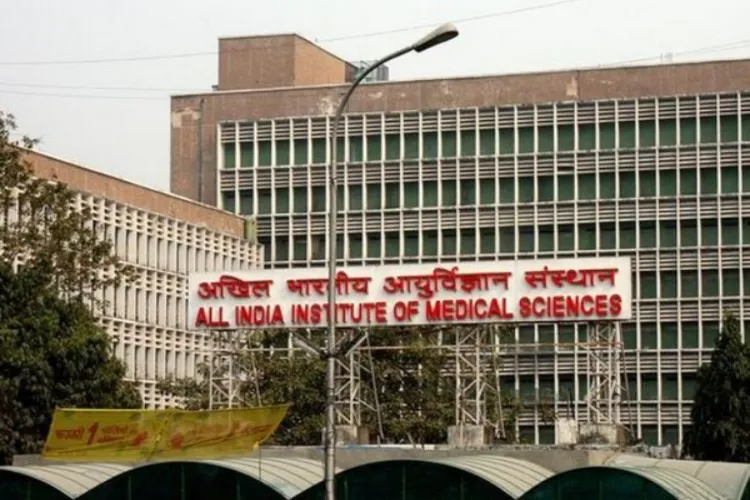
Many patients with Parkinson's disease in India are being referred too late for Deep Brain Stimulation (DBS), limiting the benefits of the procedure, experts from All India Institute of Medical Sciences (AIIMS) have said.
DBS is an established surgical therapy for carefully selected Parkinson’s patients who respond poorly to Levodopa, develop disabling motor complications such as fluctuations and dyskinesias despite optimised treatment, or experience unpredictable “on-off” periods.
Doctors explained that “on” periods are when symptoms are controlled by medication, while “off” periods occur when the medicine’s effect wears off and symptoms such as tremor, rigidity and slowness return.
Dr P Sarat Chandra said DBS can reduce medication requirements and complications such as dyskinesias, hallucinations, nausea and low blood pressure, besides helping patients reduce multiple medicines.
However, he noted that many Indian patients are referred only in advanced stages of the disease, when gait freezing and postural instability have already developed—symptoms known to respond poorly to DBS.
According to him, a major reason for delayed referral is the perception of DBS as a “last resort” rather than a treatment best considered when motor complications begin but before irreversible disability sets in.
AIIMS specialists also said the burden of Parkinson’s disease is expected to rise sharply in India because of an ageing population, increasing the number of patients who may become eligible for advanced therapies.
Dr Satish Verma said advances in imaging, intraoperative monitoring and device technology, including directional leads and rechargeable batteries, have improved surgical precision and long-term outcomes.
Despite this, use of DBS remains low compared with the number of eligible patients.
Dr Ramesh Doodamani cited high costs, uneven access to specialised centres and limited coordination between referring doctors and DBS programmes as key barriers.
Dr Manjari Tripathi said lack of awareness among patients, caregivers and general physicians is another challenge. Many patients fear surgery, while some non-specialist doctors may continue increasing medication doses without considering surgical evaluation.
She warned that prolonged high-dose drug therapy can increase the risk of dyskinesias and neuropsychiatric complications.
Experts stressed the need for structured referral pathways and public awareness campaigns. Early referral triggers include wearing-off symptoms, dyskinesias and medication intolerance, they said.
Doctors also highlighted rising cases of early-onset Parkinson’s disease among people in their 30s and 40s in India.
Dr Elavarasi said genetic factors, environmental triggers and improved diagnosis may be contributing to this trend, making timely recognition essential.
AIIMS also announced plans to introduce Focused Ultrasound Therapy (FUS), a non-invasive MRI-guided procedure expected to begin by August 2026.
Dr Chandra said FUS uses targeted ultrasound waves to create precise lesions in areas of the brain such as the thalamus or globus pallidus, helping control tremor and dyskinesia that do not respond to medicines.
READ MORE: Ayesha Tabassum’s journey from breaking news to building narratives
However, he said FUS is usually performed on only one side of the brain and may not suit patients with symptoms on both sides. Unlike DBS, doctors cannot assess improvement in real time during the procedure.










.webp "Representational Image")

.webp "An AI-generated image of a Homeopath")


.webp)

_(1).webp)