Ashhar Alam/New Delhi
A new study has uncovered a surprising biological link between brain disorders and cancer, offering fresh insight into how certain diseases may be connected at the molecular level.
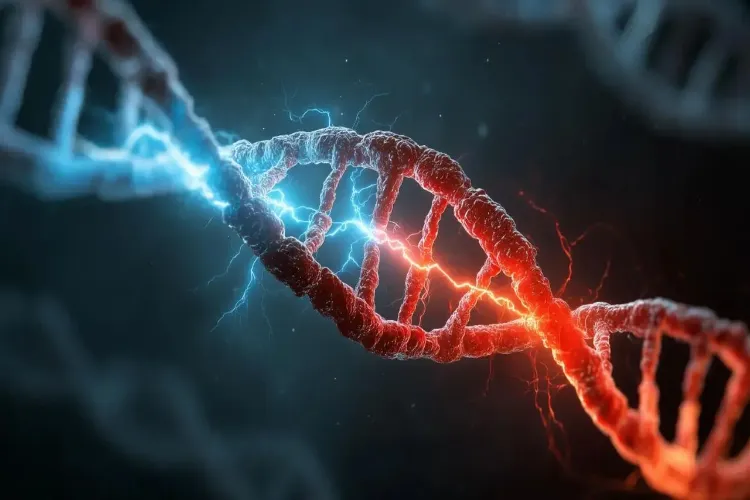
Researchers at Houston Methodist have identified a protein, TDP43, commonly associated with neurodegenerative conditions like amyotrophic lateral sclerosis (ALS) and dementia, as a key player in DNA repair. The findings suggest that this protein could influence both neurological diseases and cancer development.
DNA mismatch repair is a vital process that corrects errors when cells replicate their genetic material. The study found that TDP43 helps regulate this system by controlling genes responsible for fixing these mistakes. However, when the protein’s levels become imbalanced, either too high or too low the repair process can become overactive. Instead of protecting cells, this excessive activity may damage neurons and destabilise DNA, increasing disease risk.
Lead researcher Dr. Muralidhar L. Hegde explained that TDP43 plays a much broader role than previously understood. It not only contributes to RNA processing but also acts as a crucial regulator of DNA repair mechanisms. This dual function could explain its involvement in disorders like ALS and frontotemporal dementia.
The research also points to a strong connection with cancer. Analysis of large datasets revealed that higher levels of TDP43 are linked with increased mutations in tumours, indicating its potential role in cancer progression.
READ MORE: Against odds, Saba Anjum becomes India’s speedy forward
Importantly, early lab findings suggest that controlling abnormal DNA repair activity may help reduce cellular damage. This opens the door to new therapeutic approaches targeting the mismatch repair system.
Scientists believe this discovery could reshape understanding of how neurodegenerative diseases and cancer intersect, potentially paving the way for more effective treatments in the future.

.webp "Representational Image")













.webp)