New Delhi
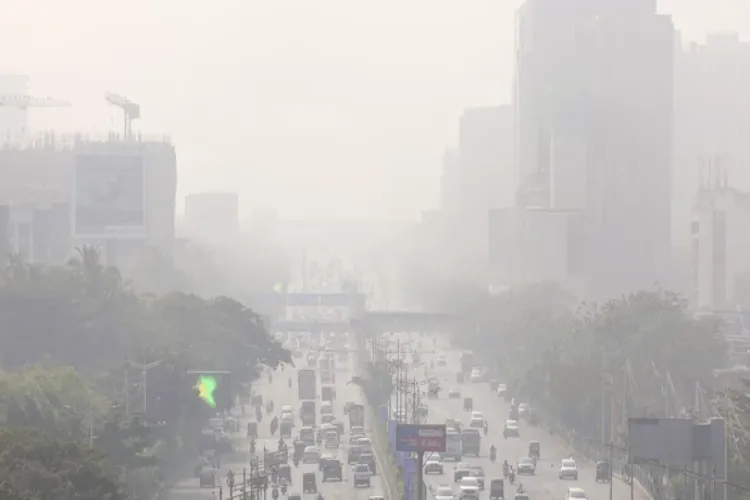
Delhi’s post-work traffic rush may be far more harmful than its already alarming pollution reputation. A new five-year study shows that evening commuters in the capital inhale significantly higher levels of toxic air than those traveling in the morning.
Researchers from Netaji Subhas University of Technology and AARC Engineers & Consultants India found that exposure to PM2.5 rises by nearly 40% and PM10 by 23% during evening travel hours, making the journey home the most damaging part of the day for respiratory health.
India continues to top global pollution charts. The IQAir World Air Quality Report 2023 lists nine of the world’s ten most polluted cities in the country, with Delhi remaining the most polluted capital worldwide. Elevated levels of fine particulate matter are linked to serious health issues, including asthma, heart disease and certain cancers.
Dr. Anurag Agarwal, pulmonologist and dean at the Triveni School of Biosciences, Asoka University, noted that the strength of this research lies in combining air-quality observations with human respiratory deposition modelling. “The study shows particulate matter deposition in Delhi’s lungs is extremely high and worst during heavy traffic hours,” he said.
How the findings were measured
Researchers analysed PM10 and PM2.5 data recorded by 39 air-quality monitoring stations across Delhi between 2019 and 2023. These readings were paired with physiological models to assess how many particles actually settle inside the lungs during two everyday activities sitting and light exercise such as walking.
Pollution levels regularly exceeded both national and WHO safety limits. Peak values were over 40 times higher than recommended, particularly in busy industrial and commercial zones. Central Delhi, with more vegetation and regulated traffic, recorded comparatively lower exposure.
The COVID-19 lockdown starkly highlighted the impact of human activity with a sharp drop in emissions when transport and industries halted.
Why the particles are dangerous
Larger particles generally irritate the upper airways.
But smaller than 2.5 microns (PM2.5) particles travel deep into the lungs and can even enter the bloodstream, where they may remain for long periods. These ultrafine pollutants pose the highest risk for long-term, multi-organ damage.
How residents can reduce exposure
Experts emphasize that personal precautions can help reduce daily risks:
Wear high-filtration masks during commutes
Use air purifiers at home
Avoid outdoor activity during peak evening traffic
Opt for public transport or carpool to reduce emissions overall
Pollution researcher Devibhaktuni Srikrishna explains that reducing inhaled particles by 75–80% using masks or purifiers can bring exposure down to safer levels even on the worst air-quality days.
ALSO READ: Haji Ibrahim Khan: The Water Warrior of the Aravalli
The bigger picture
While individual efforts provide temporary relief, long-term solutions depend on strong policy action including cleaner transportation, industrial regulation, large-scale dust control and eco-friendly agricultural practices.
The message from researchers is clear:
Delhi’s hazardous evening commute isn’t just inconvenient, it is a direct threat to public health, affecting millions daily.



.webp "Representational Image")







_(1).webp)