New Delhi
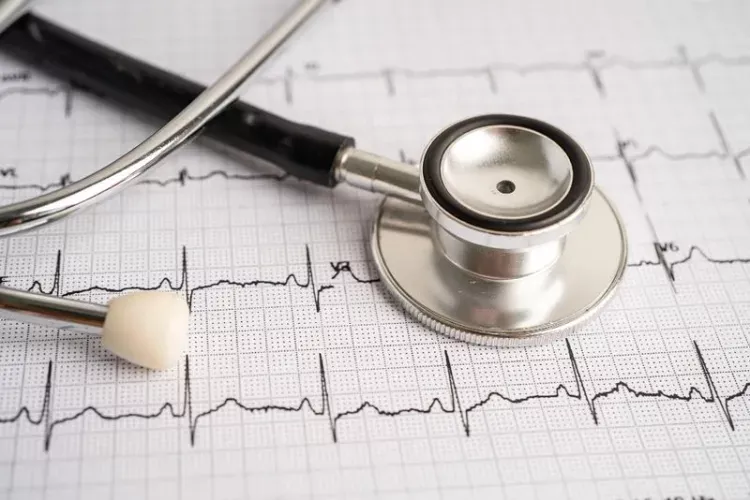
A normal electrocardiogram (ECG) should not be interpreted as proof that the heart is free of disease, cardiovascular surgeon Dr Rahul Chandola said, stressing that while the test is an important diagnostic tool, it cannot by itself determine the overall health of the heart or identify blocked coronary arteries.
Dr Chandola, founder and managing director of the Institute of Heart Lungs Diseases Research Centre (IHLD), said many people mistakenly assume that a normal ECG rules out heart disease, leading them to ignore symptoms that require medical attention.
Drawing on his clinical experience, he said he had treated several patients who appeared healthy and physically active until shortly before suffering a heart attack.
"I have seen patients who ran several kilometres on the morning before experiencing a heart attack. They were fit, active and had normal test reports. Yet, within minutes, their condition changed dramatically," he said.
According to Dr Chandola, the challenge is not merely that people neglect heart health, but that many are unaware of the warning signs that warrant medical attention or the limitations of routine investigations.
He explained that an ECG records the electrical activity of the heart and helps assess how the heart is functioning, but does not reveal the presence or severity of blockages in the coronary arteries.
"A normal ECG is neither a guarantee against future cardiac events nor confirmation that the heart is entirely healthy," he said.
Dr Chandola said many patients who seek treatment late often recall experiencing subtle symptoms that were dismissed as insignificant.
These symptoms may include mild breathlessness while climbing stairs, often attributed to poor fitness; shoulder discomfort after a heavy meal, commonly mistaken for acidity or indigestion; brief episodes of rapid heartbeat while at rest, assumed to be stress-related; and persistent fatigue that does not improve with rest and is often considered a consequence of ageing.
Recognising such symptoms early and seeking medical advice could help prevent more serious complications, he said.
Dr Chandola added that heart disease does not always present with the classic symptom of severe chest pain.
"A heart under stress often gives subtle warning signs rather than dramatic symptoms. Unfortunately, these are frequently ignored or misinterpreted," he said.
He advised that patients should not wait for severe symptoms before consulting a doctor and that even mild but persistent symptoms should prompt a comprehensive cardiac evaluation rather than reliance on an ECG alone.
"If your body is repeatedly signalling that something is wrong, it is important not to ignore it. Seek medical evaluation without delay," he said.
According to Dr Chandola, an ECG and lipid profile are only the initial investigations for patients presenting with suspected heart disease.
READ MORE: Neikezhakuo Kenguruse , MVC, fought barefoot in Kargil war
Depending on an individual's clinical profile, doctors may also consider factors such as the coronary calcium score, the condition of the coronary arteries, sleep quality and family history spanning at least two generations to assess cardiovascular risk and guide treatment more accurately.
He said a comprehensive evaluation, combined with timely recognition of warning signs, could help identify heart disease earlier and potentially reduce the need for major interventions such as surgery.











.webp "Representational Image")









.webp)