Jammu
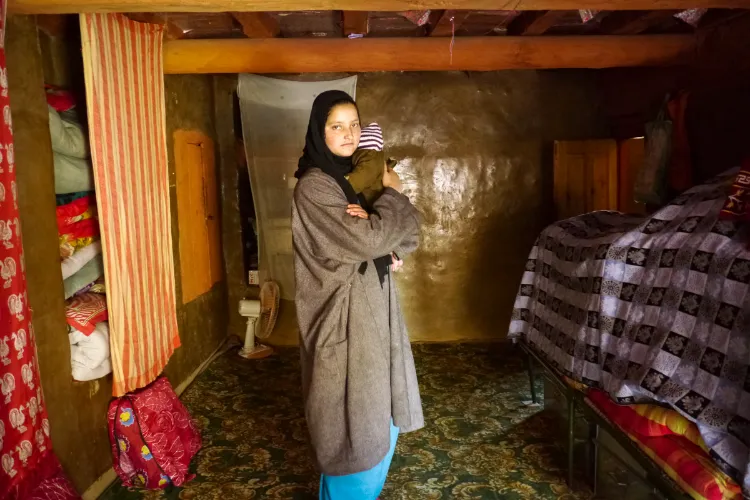
Panun Kashmir, an organisation advocating for a separate Union territory in the Kashmir Valley for displaced Kashmiri Pandits, stated on Thursday that migrant camps in Jammu are facing a deepening health crisis along with rapidly deteriorating infrastructure, making everyday life extremely difficult for camp residents.
The Jammu region currently has five migrant camps that together accommodate nearly forty thousand people.
Leaders of the organisation expressed serious concern over the widening gap between birth and death rates within the community, noting that the declining population of Kashmiri Hindus reflects the long term effects of displacement, trauma and sustained neglect.
Senior leader Bhushan Lal Bhat told reporters at a press conference that the organisation is presenting an urgent overview of the worsening humanitarian, civic and existential challenges confronting displaced Kashmiri Hindus living in various camps in Jammu and Kashmir.
Bhat stated that the quality of drinking water has become critically poor, which has resulted in a significant rise in kidney disease, liver ailments and several other major health conditions among residents.
He added that the situation can no longer be seen as simple neglect, calling it a slow moving public health disaster. He urged the government to intervene before the damage becomes irreversible and highlighted the state of collapsing civic infrastructure, including leaking roofs, damaged bathrooms and unhygienic surroundings.
Bhat also pointed out that basic connectivity has been affected badly, noting that the road from Kandoli Mata to the national highway and internal camp roads have remained unrepaired for years.
Regarding the livelihood situation, he criticised the long delay in the allotment of shops to eligible camp families. According to him, administrative indifference has increased financial insecurity among displaced households.
Another Panun Kashmir leader, Nitin Dhar, described the situation as a demographic crisis in the camps. He said that when the number of births keeps falling and the number of deaths continues rising every year, it signals that a community is moving towards extinction. He added that this reality should shake the conscience of the government.
Dhar urged the authorities to immediately implement the enhanced cash assistance that was announced by the prime minister, stressing that the delay has caused avoidable suffering for affected families. He also highlighted the severe shortage of teachers in government higher secondary schools that serve children from the camps, calling it a direct violation of their right to education.
Speaking about the condition of beneficiaries under the prime minister’s employment package for displaced Kashmiri Pandits, Dhar said that they feel they are being held hostage on supernumerary posts and that the administration has treated them unfairly with respect to the positions created for them.
READ MORE: When neighbours saved my family and firmed my faith in inclusive India
Advocate Vishva Ranjan Pandita spoke about the broader structural and legal dimensions of the situation. He said that the failure to restore parks, community spaces and essential public infrastructure reflects deeper institutional apathy towards the displaced population. Pandita also called for formal recognition of genocide against Kashmiri Hindus, arguing that without acknowledging the crime, no meaningful solution can be achieved.










.webp "Representational Image")


.webp)