Jaipur
Despite an overall decline in tobacco consumption, disadvantaged and rural populations in India and the US continue to be disproportionately affected, according to a comparative analysis presented at a national pulmonary diseases conference here.
The analysis highlighted that smokeless tobacco and bidis remain major concerns in India, while cigarettes and e-cigarettes remain public health challenges in the US.
The paper, titled "Two Countries, Two Tobacco Epidemics, One Hidden Inequality", was presented on October 25 by Akanksha Anand, assistant professor at Morgan State University's School of Community Health and Policy in the US, during the 28th National Conference on Pulmonary Diseases (NAPCON) concluded on Sunday.
The study examined tobacco-use patterns and disparities using national survey data from both countries, highlighting the role of gender, income, education and geographical location in tobacco exposure.
According to the Global Adult Tobacco Survey (GATS), tobacco use among adults aged 15 and above in India declined from 34.6 per cent in 2009-10 to 28.6 per cent in 2016-17.
However, smokeless tobacco remained a major concern, with a prevalence of 21.4 per cent in 2016-17, nearly twice the 10.7 per cent prevalence of smoked tobacco.
The National Family Health Survey-5 (2019-21) showed that 38 per cent of men and 8.9 per cent of women used tobacco.
The rural-urban divide was particularly significant, with 42.7 per cent of rural men reporting tobacco use, compared with 28.8 per cent of urban men.
Among women, tobacco use stood at 10.5 per cent in rural areas against 5.5 per cent in urban areas.
The presentation noted that focusing only on cigarette smoking could overlook substantial tobacco exposure through bidis, smokeless tobacco and other products.
It also highlighted the risks associated with secondhand smoke.
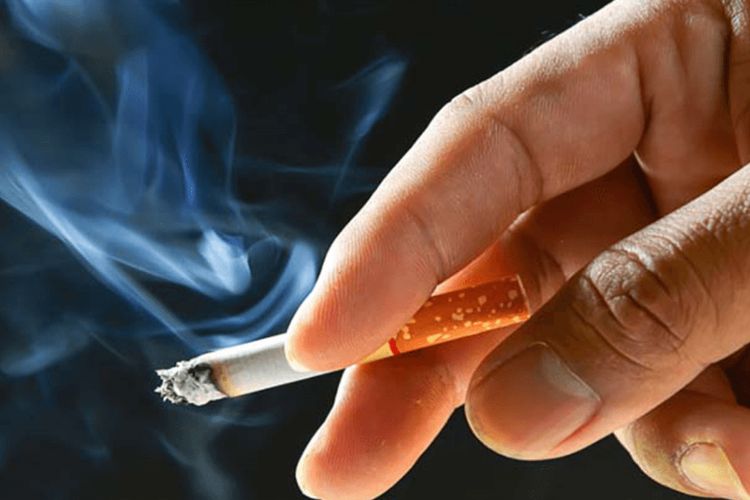
In the US, data from the 2024 National Health Interview Survey showed that 9.9 per cent of adults smoked cigarettes, while 7 per cent reported using e-cigarettes.
Cigarette use was considerably higher in non-metropolitan areas at 15.4 per cent, compared with 8 per cent in central metropolitan counties.
Similarly, e-cigarette use stood at 9.2 per cent in non-metropolitan areas against 6.1 per cent in central metropolitan counties.
The analysis found that while tobacco products differed between the two countries, social and geographical inequalities remained common challenges.
Gender, wealth, education and geographical location were important factors influencing tobacco use in India, while rural residence, education and age played significant roles in the US.
The presentation highlighted the need for targeted public health interventions to address tobacco use among vulnerable populations and reduce associated respiratory health risks.
It also cautioned that the figures were drawn from surveys conducted in different years using different methodologies and should not be treated as directly comparable.
READ MORE:Indian Armed Forces are a sacred calling for India’s youth
The analysis was based on published national estimates rather than an original combined analysis of individual-level survey data.