.gif)




Raipur
The Chhattisgarh Assembly on Friday passed a stringent law aimed at tackling paper leaks and other examination malpractices, proposing jail terms of up to 10 years and fines that can go as high as Rs 1 crore. The move is intended to bring greater transparency and credibility to public recruitment and professional entrance exams.
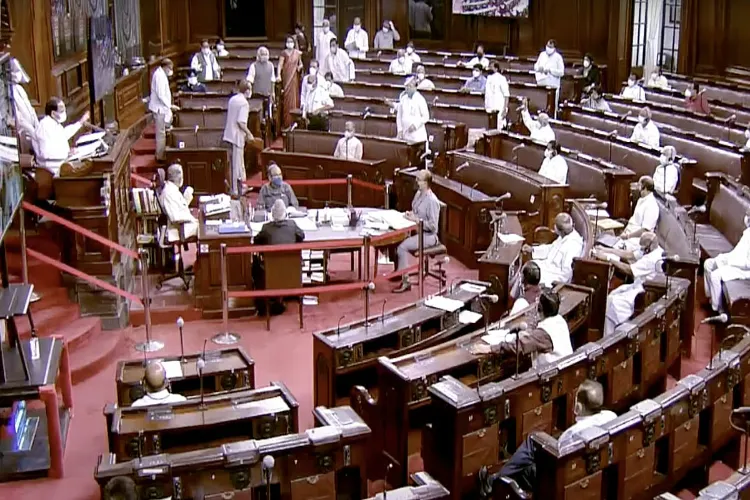
The legislation, titled the Chhattisgarh Public Recruitment and Professional Examinations (Prevention of Unfair Means) Bill, 2026, was cleared after an extensive debate in the House. Chief Minister Vishnu Deo Sai said the law sends a clear warning to those involved in cheating and organised exam fraud.
He accused the previous administration of damaging the aspirations of young people through alleged irregularities in recruitment, including the controversy surrounding the Chhattisgarh Public Service Commission (CGPSC), which is currently under investigation by the Central Bureau of Investigation.
Sai emphasised that the legislation is not only punitive but also aims to safeguard the future of candidates by ensuring a fair and transparent examination system. He added that the government had committed to reforming the recruitment process and restoring trust among aspirants.
Leader of Opposition Charan Das Mahant supported the bill, agreeing on the need for strict action against those enabling cheating or organised malpractice. However, he criticised the government for repeatedly blaming its predecessor and urged it to focus on governance going forward.
According to the bill’s provisions, it seeks to strengthen fairness and integrity in exams conducted for recruitment and admissions, while also building confidence among candidates that merit will be rewarded. It includes safeguards for whistleblowers, ensuring their identity remains confidential and offering legal protection to encourage reporting of wrongdoing.
The law defines key aspects of the examination process—from setting and printing question papers to evaluation and result declaration—and prohibits all forms of unfair practices. It also bars unauthorised entry into exam centres and any interference with the conduct of examinations.
Candidates found guilty of malpractice will face cancellation of results and a ban from appearing in exams for one to three years, though they will not be permanently barred from future opportunities.
For others involved, including individuals and organised groups, penalties range from three to 10 years in prison along with fines of up to Rs 10 lakh. Lesser violations, such as illegal possession or sharing of question papers or tampering with records, can attract one to five years of imprisonment and fines up to Rs 5 lakh.
Institutions or service providers found guilty may face penalties up to Rs 1 crore, recovery of costs incurred in conducting the exams, and a ban on organising such tests for at least three years.
READ MORE: Kolkata's Dr Honey Qureshi is an angel for childless couples
In cases linked to organised crime, authorities may also attach and confiscate the accused’s property under provisions of the Bharatiya Nyaya Sanhita, 2023. Investigations under the law will be handled by officers of at least sub-inspector rank, with the state government retaining the power to hand over cases to central or state agencies if necessary.