

Kanker
Several years before the deadline for eradication of naxalism was fixed and the violence was at its peak, a small village in Chhattisgarh’s Bastar region had refused to support the hollow ideology of the red movement, and people decided to serve the nation by wearing ‘uniforms’.
Despite facing severe consequences of the naxal violence, the villagers refused to surrender to the violence of ultras, and now the village is being recognised as a ‘police village’ because the highest number of people here either joined the police department/forces or have a connection with the department.
The Bastar region in India was most affected by Naxalism, where indigenous tribal people were forced to live under the shadow of red terror, and several people had to unwillingly become members of the Naxal organisation. Even at that tough time, a village stood against naxal ideologies and not a single person ever joined the naxal organisation; instead, the highest number of people took up jobs in the police department. Today, the situation is such that every household has a connection to the police department, and this is the reason why this village has been known as the ‘Police Village’.
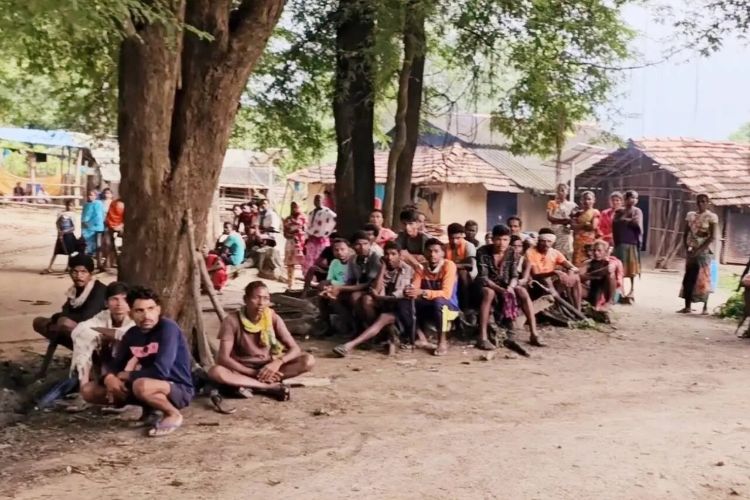
‘Kosronda’, a small village under Antagarh block in Kanker district, is recognised today as the ‘village of police personnel’. Many youths from here are serving in the Chhattisgarh Police, Bastar Fighters, DRG and paramilitary forces. Once living under Maoist pressure, this village is now becoming a glaring example of the dreams of the new generation as well as the spirit of the khaki uniform.
According to locals, the journey of this village to become a ‘police village’ was not easy. While ultras tried to involve the youth in their organisation, the villagers refused to accept their path. The price of resistance came in the form of murder, and several others were forced to leave their homes and migrate to other places. Daring all the threats, elders in the village kept giving a single lesson: not to walk on the wrong path and to be motivated to serve the nation.
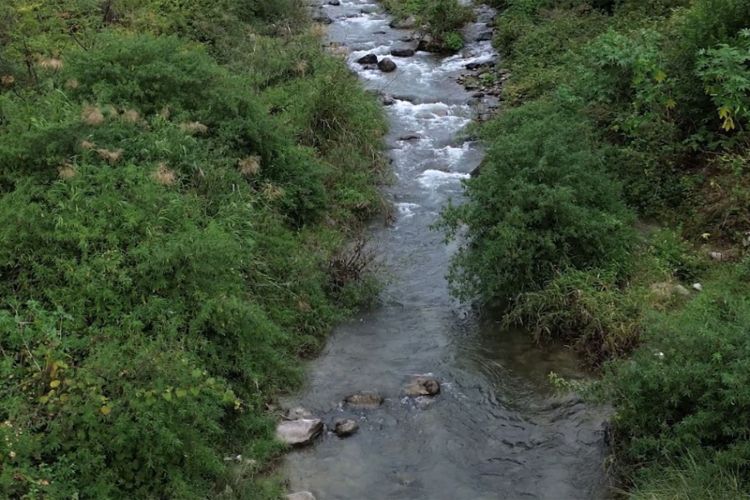
Surrounded by hills, rivers and dense forests, Kosronda village was once a place where villagers had to spend their lives amidst the movement and pressure of Maoists.
“Many people from Kosronda village, which is surrounded by hills, rivers and dense forests, have been recruited into various forces. Even when naxal influence was very strong, the people chose to serve the nation and joined the police department. Inspired by the initial approach of the people, other youths of the village received encouragement and guidance, which yielded positive benefits. In those areas, the youth are showing a strong response. Moving forward, through ‘Mission Raksha’, we also provide them with free training for recruitment, and when these selected youths return home on vacation, they share their experiences to help new aspirants prepare, bringing benefit and inspiration to the new generation,” said Kanker Superintendent of Police (SP) Nikhil Rakhecha.
Massuram Darro, a policeman posted at Antagarh police station and a resident of Kosronda, shares that due to the village being surrounded by forests, Naxals used to visit the area frequently. They used to pressure villagers to join a naxal organisation, but the people found their policies to be wrong and opposed them, attracting severe consequences. Maoists threatened the villagers and even killed five people.
Following this, several people were forced to leave the village, but the residents never supported the Maoists. Inspired by the teachings of their elders, the youth of the village secretly prepared for police recruitment and joined the force. Today, people from the village are serving in various positions in the police department, including Inspector, Sub Inspector, Assistant Sub Inspector, Head Constable, and Constable. Moreover, the villagers also secured places in paramilitary forces as well as other government departments.
READ MORE: Star Footballer Suhail Ahmad Bhat is living his father's dream
Chamru Ram Kawudu, a young villager from Kosronda, shared that he has studied up to the 12th grade and is continuously striving to join the police force. Due to his short height, he has not been selected yet, but the news of the relaxation of physical standards for tribal youth has given him new hope.