 Owais Saqlain Ahmed
Her name was 'Baby Jane Doe'—not because she wanted privacy, but because even her identity had been stolen. An Indonesian domestic worker had been kept in brutal servitude by a powerful family in a luxury Manhattan apartment. They stole her passport, forced her to work 16-hour days, and paid her virtually nothing—a case of modern slavery hiding in plain sight. She found the courage to flee, found sanctuary, and reported the crime. But here was the obstacle: the employers, former diplomat Mishal al-Hassan and his wife, were shielded by diplomatic immunity.
This singular, infuriating injustice is just a microscopic view of a global catastrophe: a hidden workforce where the distance between what we proclaim and what we practice has never been wider. This is the reality of the invisible economy, where 27.6 million people are currently trapped in forced labour, with over a third of victims trafficked specifically into domestic servitude.
In domestic work alone, this brutal exploitation generates an estimated $2.6 billion in illegal profits annually. Globally, forced labour generates $236 billion—a shadow economy built on the backs of those who are most vulnerable.
However, the question is when justice is denied by status and privilege, what truly determines our value? We love to talk about modern slavery like it's history. It's not. It's happening in luxury apartments.
This test, nearly 1,400 years old, measures not your influence, but your conscience.
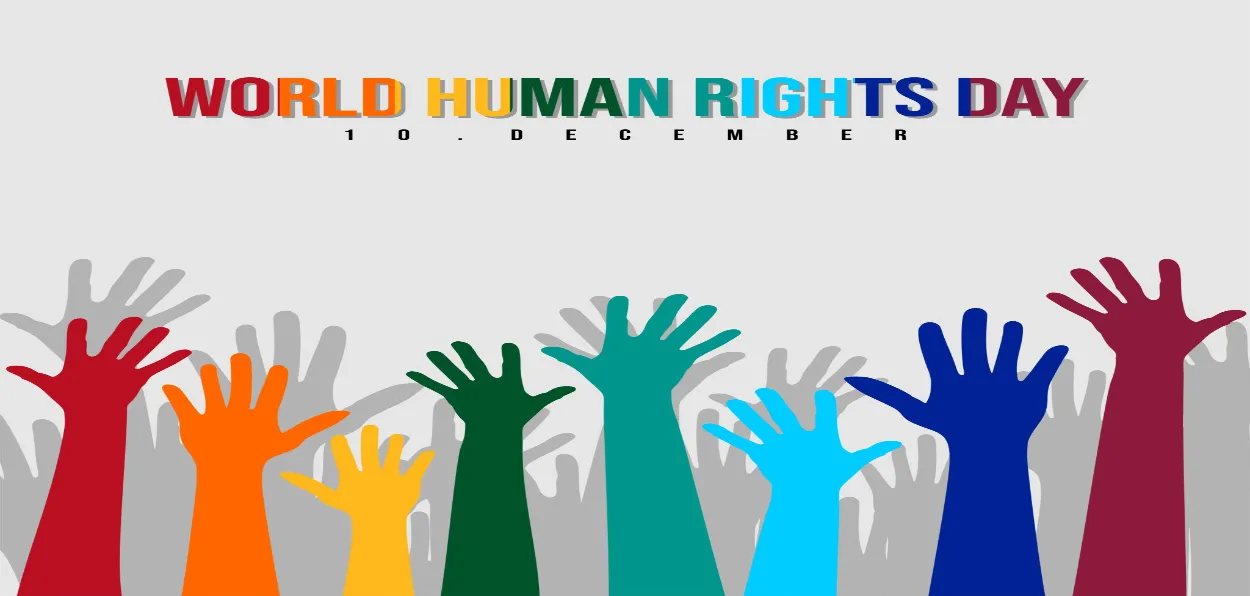
Each December 10th, we commemorate Human Rights Day by sharing infographics about justice, only to return home and ask the person cleaning our floors to work late—without checking if they've eaten.
Fourteen centuries ago, Prophet Muhammad encountered a man named Salman al-Farisi hauling date palm branches through Medina's market. Salman wasn't free—he was trapped in bonded labour, carrying loads that would break most people's backs.
The Prophet didn't deliver a sermon. He picked up some of the branches and helped carry them.
When Salman's owner found out, he was furious. "You helped my slave?"
The response was simple: "He is your brother in humanity before he is your servant in contract."
Within weeks, Salman was free. He went on to become one of early Islam's most respected figures.
The Quran makes it clear: "O humanity! Indeed, we created you from a male and a female, and made you into peoples and tribes so that you may know one another. Surely the noblest among you in the sight of Allah is the most righteous among you." (49:13)
"Your job title doesn't determine your value. Your character does."
During the 2022 World Cup in Qatar, Mohamed Salah unveiled a t-shirt that read: "Stand with workers' rights."
The backlash was immediate. "Stick to sports." "Stop being political."
But Salah knew about the migrant workers constructing those stadiums—their deaths, the wage theft, the confiscated passports. Later, he explained: "My grandfather worked construction. If his rights weren't respected, no amount of prayer would make that right."
The Prophet once said: "Your silence about oppression makes you complicit in it."
Islam's first constitutional document wasn't about prayer schedules. The Medina Charter, written in 622 CE, was an employment rights charter. Article 15 stated: "Workers shall receive their wages before their sweat dries." Not eventually, but immediately.
Article 23 went further: "No worker shall be burdened beyond their capacity, nor shall their dignity be compromised for any task."
When a wealthy merchant delayed paying workers, the Prophet visited at dawn. "You sleep in silk while those who earned it for you sleep in worry?" The wages were paid that morning.
Today, an estimated 2.4 million domestic workers labour in Gulf homes. Many are women from South Asia and Africa who haven't seen their families in years.
Aisha works in Dubai. She's from Bangladesh. Her employer kept her passport—technically illegal, but who's she going to tell? She works sixteen-hour days. When she asked for her legally mandated weekly day off, her employer said: "Your religion teaches you to be patient, doesn't it?"
Using someone's faith as a management tool for exploitation isn't Islam. It's cruelty with a religious excuse.
The Prophet once found his wife scolding a servant for breaking a dish. He stopped her: "Would you want someone speaking to your daughter this way when she makes a mistake?" Then he turned to the servant: "What she broke has value. What words can break—your dignity—is priceless."
Here's the truth: cultural practices aren't necessarily Islamic principles.
Confining women is a cultural convenience disguised as tradition. Paying workers less because they're foreigners is economic exploitation with a religious excuse. Denying rest because "we pay them" is modern slavery with a salary attached.
The Prophet was asked what makes someone a true believer. His answer had nothing to do with how many followers you have or how perfect your posts look. It was this: "How you treat those who can do nothing for you."
Real solidarity isn't defending "our people" while ignoring injustice in our own homes. It's not posting about oppression abroad while normalising exploitation in our kitchens.
It's about acknowledging that the person scrubbing your floors shares the same divine spark you claim for yourself.
The texts are clear. The historical examples are documented. The Quranic verses are unambiguous.
The Prophet freed Salman not because it was trending, but because it was right. Salah spoke up not for his brand, but because silence would have killed his conscience.
Human rights in Islam aren't complicated; they're just inconvenient for those who prefer to look the other way.
This Human Rights Day, before you post about injustice somewhere else, look around. Is there someone working in your space whose name you don't know but whose labour you depend on?
Learn their name. Ask about their family. Make sure they're paid on time. Give them their mandated breaks. Treat them like you'd want your own child treated.
ALSO READ: Advocate Mohammad Rafiq Chauhan: Legal expert, teacher, writer, and public servant
Your faith isn't measured by your prayer count on some app; it's measured by how you treat those who have no choice but to trust you.
The author is an aviation professional


.webp "Representational Image")






.webp "Kassim Ahmad")
_(1).webp)