New Delhi
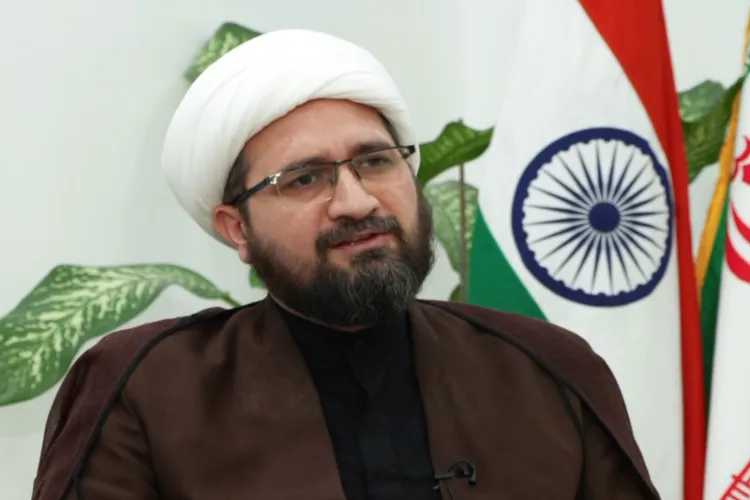
Emphasising national unity in Iran, Dr Mohammad Hossein Ziyaeenia, Deputy Representative of Iran’s Supreme Leader in India, dismissed reports of internal discord, suggesting such narratives stem from misunderstanding or deliberate misrepresentation of Iran’s political system.
In an interview, Ziyaeenia stated that Iran’s governance structure does not revolve around a single individual, highlighting that the country functions as a republic with an established institutional hierarchy. According to him, assumptions that instability could arise from the absence of one leader reflect a lack of awareness about how the system operates.
He further argued that earlier signs of internal strain were largely linked to external pressures, particularly economic sanctions. However, he claimed that recent developments—especially the ongoing conflict—have strengthened domestic cohesion, with citizens increasingly recognising external factors as the root cause of economic challenges.
Ziyaeenia was responding to questions regarding claims of internal tensions within Iran. He maintained that such assertions overlook the current mood within the country, which he described as one of solidarity.
Addressing the broader geopolitical situation, he referred to the fragile ceasefire between Iran and the United States, in place since April 7, following weeks of hostilities involving Iran, the US, and Israel that began in late February. The conflict has had significant implications for global energy supplies.
On Iran’s military actions, including strikes linked to US positions in the Gulf region, Ziyaeenia defended Tehran’s stance, stating that the country has a responsibility to safeguard its sovereignty. He pointed out that American military installations in neighbouring regions pose a direct threat, arguing that Iran cannot be expected to remain passive under such circumstances.
Drawing parallels with other nations that have experienced foreign intervention, he said both Iran and India share historical experiences of external aggression and therefore prioritise defending their people and territorial integrity.
READ MORE: Veteran journalist, author Seema Mustafa raised the bar for scribes
When asked about the possible outcome of the conflict, Ziyaeenia expressed strong confidence in Iran’s position. He asserted that public support for the government and armed forces remains high, describing visible demonstrations of solidarity across Iranian cities. He added that, in his view, opposing forces would be better served by accepting Iran’s conditions to bring the conflict to an end.









.webp "US President Donald Trump")