Amnnah Farooque/New Delhi
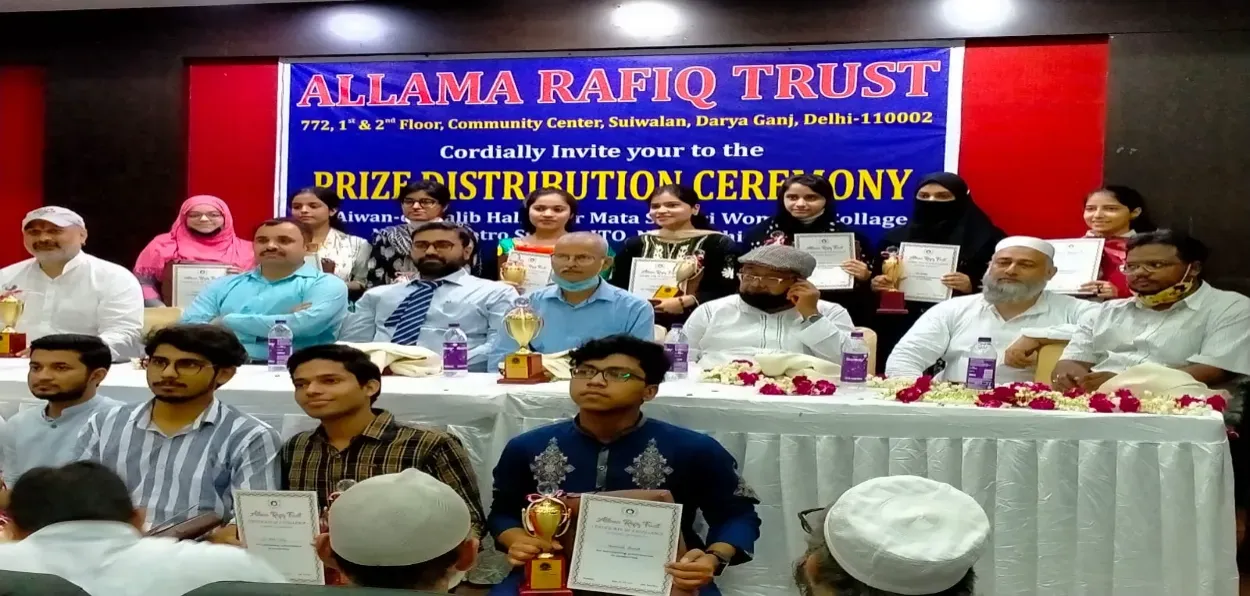
Maqsood Ahmed, founder of the Allama Rafiq Trust, has demonstrated how a person driven by purpose and commitment can transform countless lives, even with limited resources.
Born and raised in Delhi, Maqsood received his early education in a government primary school and later in a temple-run institution. He proudly recalls that much of his educational journey took place in Hindu educational institutions, an experience that shaped his belief in religious tolerance, social harmony, and service to humanity.
He fondly remembers that whenever it was time for prayers, the temple priests allowed him to offer his prayers during the school assembly itself. For him, this reflected India's deep-rooted culture of inclusiveness and mutual respect. It is this spirit that continues to inspire his message of love, brotherhood, and national unity.
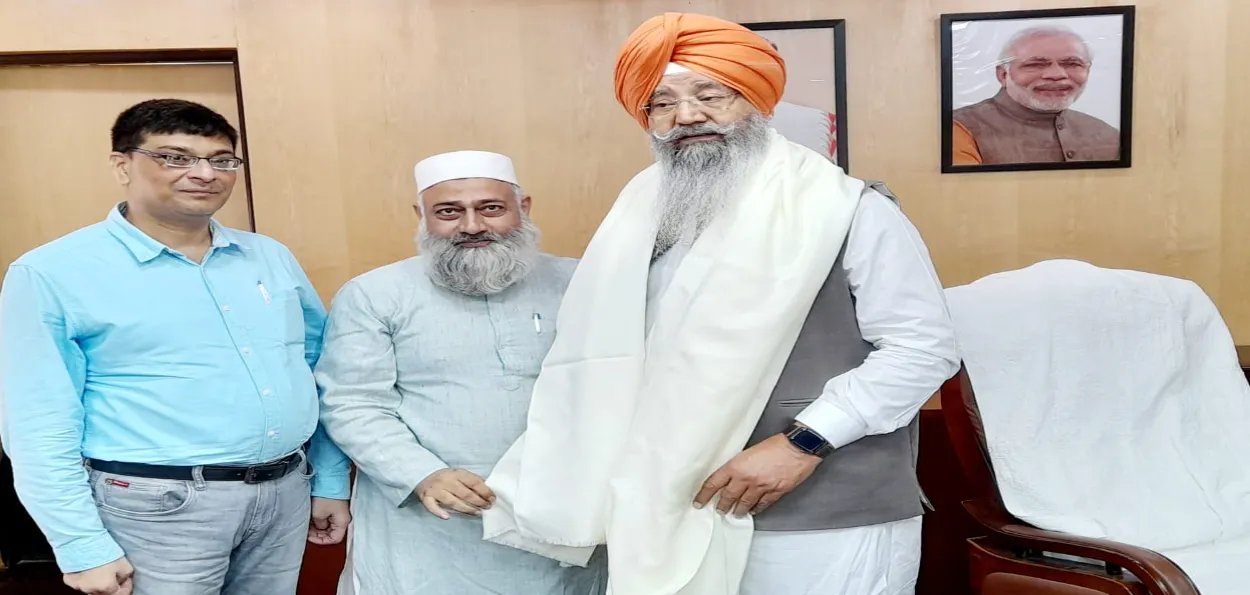
In 1996, Maqsood Ahmed established the Allama Rafiq Trust, named after the renowned religious scholar and social reformer Allama Rafiq, who was widely respected in academic, spiritual, and social circles. The Trust was founded with the objective of promoting education, justice, equality, and communal harmony.
The journey, however, was far from easy. According to Maqsood Ahmed, the educational environment in the area was poor, and many people did not consider education or welfare activities a priority. He faced resistance at various levels but remained steadfast in his mission. Today, the institution has positively impacted not just hundreds but thousands of lives.
Beyond education, the Allama Rafiq Trust has played a significant role in promoting skill development and self-reliance. It offers computer training, English-speaking courses, sewing classes, mehndi and beautician training, and several other vocational programmes. These initiatives have enabled countless women to achieve economic independence and support their families with dignity.
Maqsood recalls the story of a woman whose husband died in an accident. After receiving sewing training at the Trust, she was able to earn a livelihood and provide for her family, illustrating the transformative impact of such programmes.
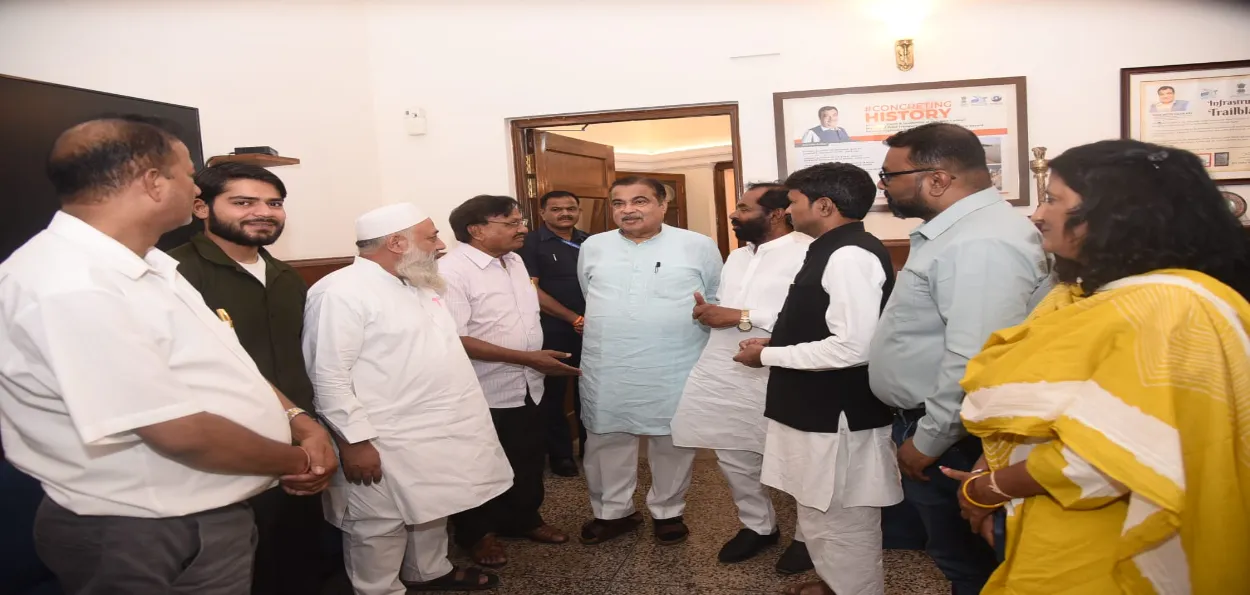
The Trust is also actively engaged in healthcare initiatives. In collaboration with leading hospitals and medical institutions, it regularly organises free health camps where patients receive medical consultations, diagnostic tests, and medicines. The organisation has worked with reputed institutions such as Apollo Hospitals and Rajiv Gandhi Cancer Hospital to extend healthcare services to the underprivileged.
The Trust's achievements in education are equally noteworthy. Many of its former students have gone on to become teachers in government schools, while others have established successful careers in medicine, pharmacy, and various professional fields. Although none of its students has yet cleared the UPSC Civil Services Examination, Maqsood remains confident that this milestone will soon be achieved.
For Maqsood Ahmed, the path to national development lies through education, skill-building, and positive thinking. He encourages young people to embrace self-discipline, hard work, and constructive engagement rather than dwelling on grievances and deprivation. In his view, true success lies in promoting love, justice, and service within society.
Yet, despite his many accomplishments, Maqsood Ahmed believes his most cherished dream remains unfulfilled. He aspires to establish a modern educational institution for the girls of Old Delhi—one that not only imparts academic knowledge but also nurtures personality development, vocational skills, and self-confidence.
For him, building such a school would be more than a development project; it would be a mission to enlighten an entire generation and empower young women to shape a brighter future for themselves and their communities.
_(1).webp "Graves of Sufis at Triveni-Saptagram Khanqah")
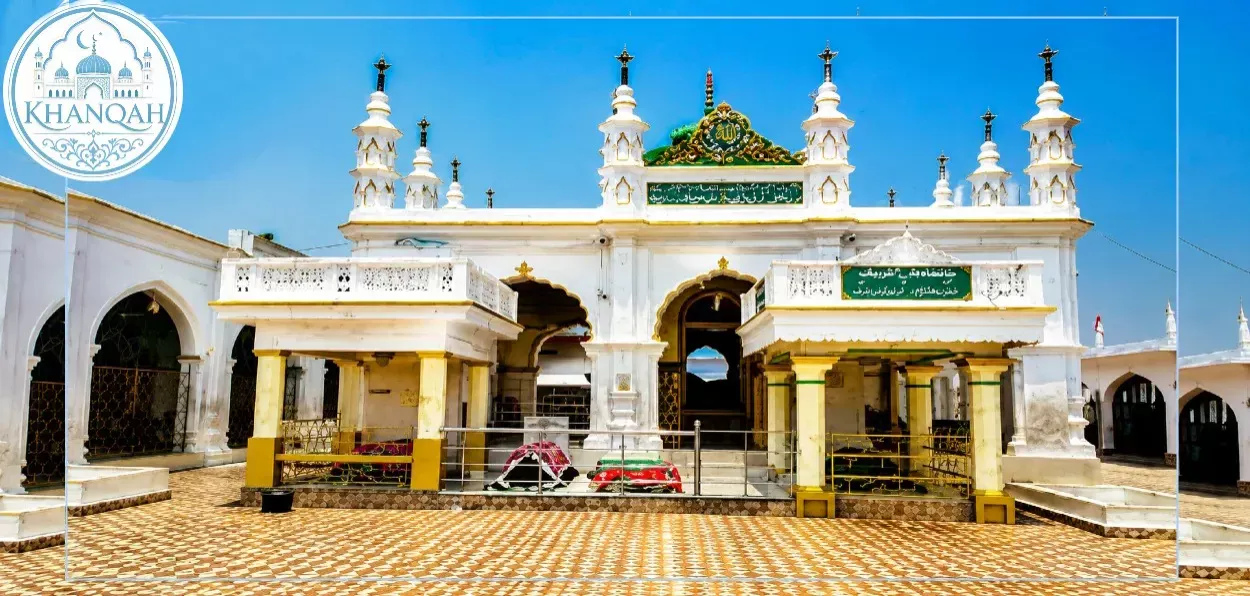
_(1).webp "Sufi Heritage of Gaur")